
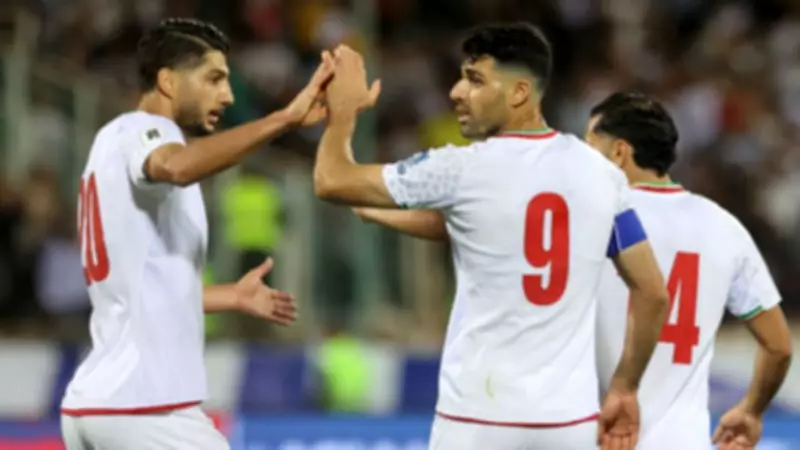
US Soccer Expresses Strong Support for Iran's World Cup Participation
US Soccer CEO JT Batson has publicly affirmed that the American co-hosts of the 2026 FIFA World Cup are "very supportive" of Iran's participation in the tournament, despite escalating political tensions. This statement comes in the wake of recent US-Israeli military actions that have cast doubt on Iran's involvement.
Political Context and Tournament Implications
Iran's presence at the World Cup has been thrown into uncertainty following a military strike on Saturday that resulted in the death of Supreme Leader Ayatollah Ali Khamenei. In response, Iranian football federation president Mehdi Taj indicated that "we cannot be expected to look forward to the World Cup with hope", though no formal boycott has been announced. FIFA President Gianni Infantino has emphasized the organization's commitment to a safe and secure event with all qualified teams participating, a stance fully endorsed by US Soccer.
Logistical Challenges and Team Focus
Iran is scheduled to play group-stage matches in Los Angeles and Seattle as part of the tournament, which is jointly hosted by the United States, Canada, and Mexico. While Donald Trump's travel ban currently restricts Iranian fans from entering the US, exemptions are expected to be granted for the national team. Batson highlighted that the US team, under manager Mauricio Pochettino, remains focused on winning the World Cup, regardless of potential opponents. "Our goal would be to win," he stated, underscoring the competitive spirit amid the geopolitical backdrop.
FIFA's Role and Broader Impact
FIFA is actively monitoring the situation and maintains hope that all qualified teams, including Iran, will compete. Infantino expressed a desire for the World Cup to serve as a moment of peace and unity, noting the global need for such cohesion. The tournament also presents an opportunity for football to bring Americans together in a politically charged environment, marking the first time the US has hosted the men's World Cup since 1994.
Batson further elaborated on the team's objectives, emphasizing their human elements and aspirations to inspire future generations. "Our players want to represent US soccer with pride," he said, acknowledging the broader significance of their participation. As preparations continue, the focus remains on ensuring a successful and inclusive event, with US Soccer and FIFA working collaboratively to navigate the complexities of international sports diplomacy.