
Safety Fears Mount for Iran Women's Football Team as Return Looms
Fears are intensifying over the safety of the Iran women's football team players as their return to Iran becomes imminent following their exit from the Women's Asian Cup. The team, currently staying in a hotel on the Gold Coast after playing their final match on Sunday, faces a precarious situation with mounting international concern.
Diplomatic Tensions and Player Vulnerability
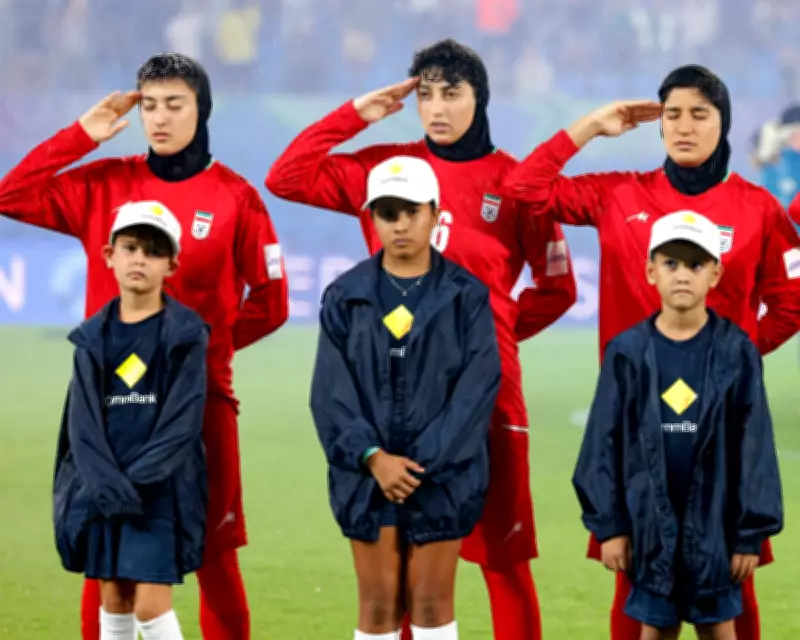
The players have been at the centre of a diplomatic incident, labelled as "wartime traitors" by a state-linked commentator for not singing the national anthem in an earlier game. While they later complied by singing and saluting, the backlash has raised alarms. Their safety upon return is uncertain, with risks of severe repercussions from the regime, which has a history of harsh treatment.
Young players, including an 18-year-old and a forward previously suspended for a headscarf violation, highlight the team's vulnerability. The dilemma is stark: returning could endanger them and their families, while staying in Australia might cut ties and expose loved ones to retaliation.
Urgent Calls for Action in Australia
Daniel Ghezelbash, director of the Kaldor Centre for International Refugee Law at UNSW, emphasises the urgency, noting that Iranian officials likely want to expedite the team's departure. Protestors have shown support, with gestures for help, but the players' true desires remain unknown due to potential monitoring and control.
Beau Busch, president of Fifpro for Asia, is advocating for the players' agency and safety, urging FIFA and the Australian government to apply pressure. The Liberal opposition in Australia, through shadow attorney general Julian Leeser, has called for asylum offers, stressing the danger these women face.
Legal and Human Rights Considerations
Under the Refugee Convention, Australia has an obligation to protect the players from persecution, even if formal claims haven't been lodged. Legal experts like Jennifer Burn from Anti-Slavery Australia point to exit trafficking laws that could be invoked if coercion is suspected, though jurisdiction issues with the AFP add complexity.
A petition for protection has garnered over 60,000 signatures, and community support is growing, including from Iranian-Australian groups and political exiles like Reza Pahlavi. The Asian Cup organisers have stated they ensure a safe environment, but critics argue a human rights impact assessment was lacking for this tournament.
The situation remains fraught, with the players' future hanging in the balance as diplomatic and legal efforts intensify to safeguard their well-being.