Macclesfield's Unassuming Spotlight: A Town Under the Gaze of Ian Curtis
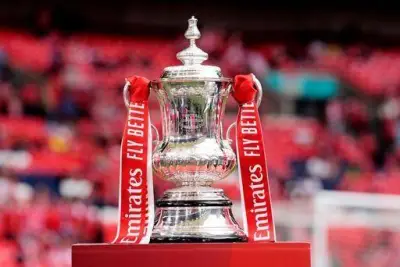
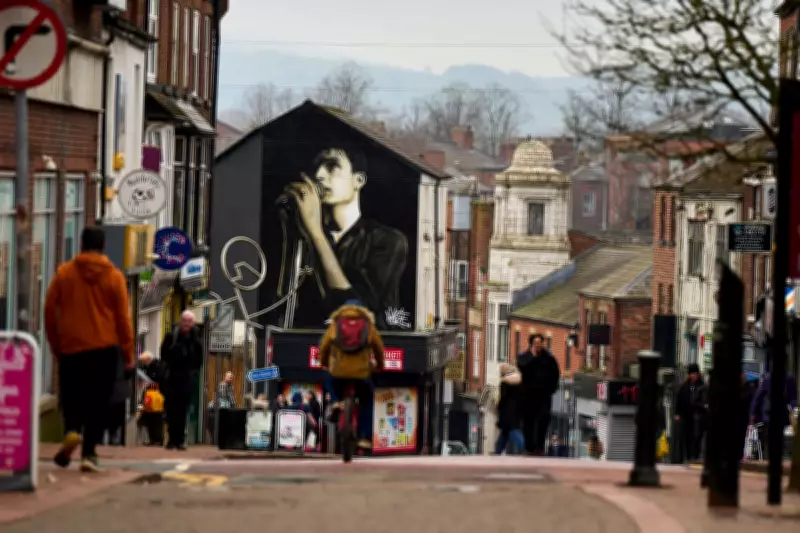
High above the streets of Macclesfield, the mural of Joy Division singer Ian Curtis, born in this Cheshire town, looks down as its football club prepares for a monumental FA Cup clash against Premier League side Brentford. This quiet northern town, once a bustling silk mill hub, remains remarkably calm despite the recent seismic shock of knocking out holders Crystal Palace in the previous round.
The Slow Pulse of Maxonian Life
"Macc's Macc," say locals of a place where change comes slowly and many residents prefer it that way. The railway station bridge tells the story in frieze form: "1874, Macclesfield Town established" followed by "1979, Joy Division's Unknown Pleasures released" - with local humor suggesting nothing happened for the intervening 105 years. This classic northern mill town, though specializing in silk rather than cotton, has seen its high street decline like so many others, with boarded-up shops and reduced footfall.
Yet the monthly Treacle Market, selling artisan foods and trinkets on the last Sunday of each month, proudly claims to be the region's "biggest monthly event." The outdoor market occupies the same town square that once hosted open-top bus parades for footballing heroes.
Football's Deep Roots in Silk Country
The stunning FA Cup victory over Crystal Palace has cast welcome light on Macclesfield's rich football heritage, yet walking through the town's cobbled streets reveals scant evidence of this seismic success. Where newspaper billboards might once have shouted the headlines, the Macclesfield Express now confines its coverage to website updates and slim weekly editions.
Outside the Old Millstone pub opposite the station, a banner proclaims "We are the champions" - but it celebrates the 2017-18 National League title of Macclesfield Town, the club that died in October 2020. That promotion to the Football League, funded by absentee owner Amar Alkadhi's spending, ultimately accelerated the old club's demise through unsustainable economies of scale.
Phoenix from the Ashes at Moss Rose
From disaster has come renewal. The reformed Macclesfield FC, now playing in the sixth tier at what's newly branded as the Leasing.com Stadium (though still Moss Rose to locals), has become a daily community hub. The 4G pitch and gym facilities attract townsfolk and visitors alike to a site that had grown bedraggled in the old club's final days.
It took the bereavement of a 2020-21 season without football for the broader community to recognize what they had lost - and what could be rebuilt. Current co-owner Rob Smethurst and his team have created a stadium and club that generates genuine civic pride, with improved food and drink concessions that represent a world away from the sparse facilities of old.
A Football Education in Manchester's Shadow
Growing up in Macclesfield meant gaining a football education in one of England's most intense football regions. The roars and groans from Moss Rose could be heard from homes on the climb into the Peak District on match days. The Silkmen have always competed hard for attention in this football hotbed, with Manchester United and Manchester City just a short drive or train journey away.
Within the town itself, certain pubs became City strongholds while others filled with United supporters. Stockport County, enjoying their 1990s purple patch with Friday night games, offered another attractive local option. Yet Moss Rose created indelible memories for generations of Maxonians.
Memories Etched in Local Consciousness
On April 15, 1989, as Macclesfield beat Dartford 4-1 in an FA Trophy semi-final, news arrived via transistor radios from Sheffield: "Fifty dead at Hillsborough." A sun-drenched day of celebration turned to horror as the true death toll became apparent. Though Macc lost the final to Telford United, players and charismatic manager Peter Wragg received an open-top bus parade into the town square.
The club's single season in what is now League One (1998-99) after a long journey through the divisions represented a peak of local pride. Conference champions in 1995 were denied promotion because their ground didn't meet league specifications. Tragedy struck in September 1996 when chair and benefactor Arthur Jones took his own life, leaving the club facing a high-court writ and potential extinction.
Modern Renaissance Against Historical Backdrop
The current club's success represents not the first rescue mission in Macclesfield's football history. Before Crystal Palace, the most famous match at Moss Rose had been Manchester City's Second Division visit in September 1998, won only by a late Shaun Goater goal. City's historic low point marked the highest the Silkmen would climb up the Football League ladder.
Usually struggling in League Two until relegation in 2011-12, the club's proximity to Manchester giants brought through a succession of United and City alumni as managers: Sammy McIlroy (the last of the Busby Babes), Peter Davenport, Brian Horton, Paul Ince, and Ian Brightwell assisted by Asa Hartford. Former City player Paul Lake served as club physio, with chants of "Lakey, Lakey, sort 'im out" greeting his appearances with the magic sponge.
Tragedy Woven Through the Fabric
The Silkmen saga contains its share of sorrow. Keith Alexander, the club's second Black manager after Ince, died suddenly in March 2010. This was followed by midfielder Richard Butcher's fatal heart problem in January 2011. For exiled Maxonians in London, matches at Leyton Orient, Dagenham, Barnet, West Ham (twice in the League Cup), and even Dulwich Hamlet in the FA Cup provided tastes of home.
Away fans' wry Maxonian humor warmed the cockles, as did admiration for those who boarded coaches following the Silkmen nationwide. The club's finances meant most players worked on one-year contracts, creating almost entirely new squads each season while the essential character endured.
The New Moss Rose Experience
Macclesfield often recorded the Football League's lowest average home attendance, with cheap admission to Moss Rose reflecting sparse facilities. The current club represents a transformation, with readily accessible food and drink concessions offering good quality "footy scran." Much of the old charm remains, including PA announcer Andy Worth, whose powerful voice barely requires amplification.
Back in 1989, a grass bank stood behind one goal. Today, only the small, seated main stand remains from the old Moss Rose. Smethurst has expressed surprise at the public backing received, but he and his team have created a stadium and club worthy of that response.
Quiet Pride Before the Storm
The victory over Palace generated a swell of pride that overflowed even from 200 miles away. This is a hometown unassuming yet assured in its identity, content in being quiet and unrushed, yet now asserting itself to the football world. As Brentford await on Monday, the mural of Ian Curtis continues to watch over a community where football heritage runs as deep as the silk trade once did, where change comes slowly but triumph, when it arrives, is savored all the more sweetly for the struggle that preceded it.