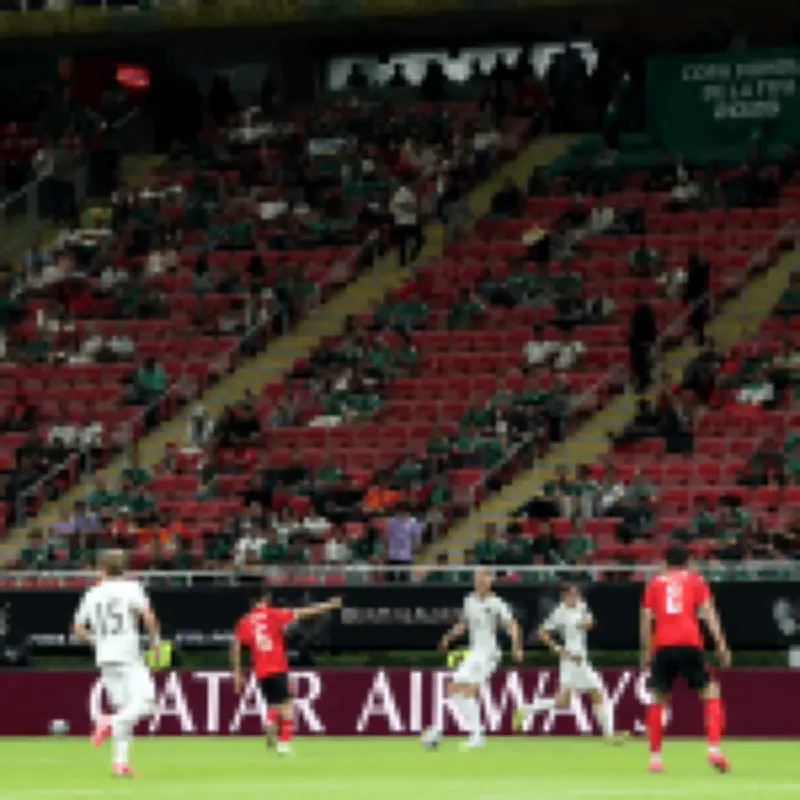
Fifa has issued an explanation for the large swathes of empty seats seen during the opening matches of the World Cup, claiming that many fans were standing in the concourses rather than in their assigned seats. The ticket pricing for this year's tournament has sparked significant controversy, with initial prices starting at $140 for the 48-nation, 104-game event. Regular seats for the final in New Jersey were priced at a staggering $8,680, while dynamic pricing and resale markets often inflated costs further. In response to criticism, Fifa released a limited number of $60 tickets to national federations for their supporters.
Attendance Figures Under Scrutiny
Despite Fifa's claims of 'unprecedented' demand, fans questioned the narrative when thousands of empty seats were visible during the second game between South Korea and Czechia in Guadalajara. Announcers still reported an attendance of 44,985 at the 45,664-capacity stadium. In a statement on Friday, Fifa defended the figures, stating that 'official attendance figures reflect the number of tickets scanned and spectators present within the stadium footprint, rather than visual assessments of seating occupancy at any given moment during the match.' The statement added that 'several ticketed fans could be seen standing in concourses rather than staying in their assigned seats throughout the match.'
Further Empty Seats and Infantino's Defense
On Friday, more empty seats were observed during co-host Canada's 1-1 draw with Bosnia and Herzegovina. On the eve of the tournament, Fifa president Gianni Infantino defended the ticket prices, claiming they were cheaper than resale markets and comparable to other North American sporting events. 'Until today we have sold over six million tickets,' Infantino said. 'The demand has been unprecedented, not by a little bit, but by a factor of 10 or more.' He emphasized that the $60 entry price is the lowest among American sports playoffs, and the average price of $500 is lower than the average for American playoffs. Infantino also noted that every dollar generated goes back into football, and that Fifa invests in countries like South Sudan and Bhutan where no one else does.