Nuclear war remains one of the most catastrophic scenarios imaginable, and video games have long used it as a backdrop for tension and drama. From the arcade classic Missile Command (1980) to the immersive world of Fallout 4 (2015), developers have explored the horrors of atomic conflict in ways that resonate deeply with players. According to reader Michael Veal, whose feature was published by GameCentral, nuclear weapons are 'mankind’s worst invention,' yet their fictional portrayal offers a unique avenue for storytelling.
Fallout 4's Unforgettable Opening Sequence
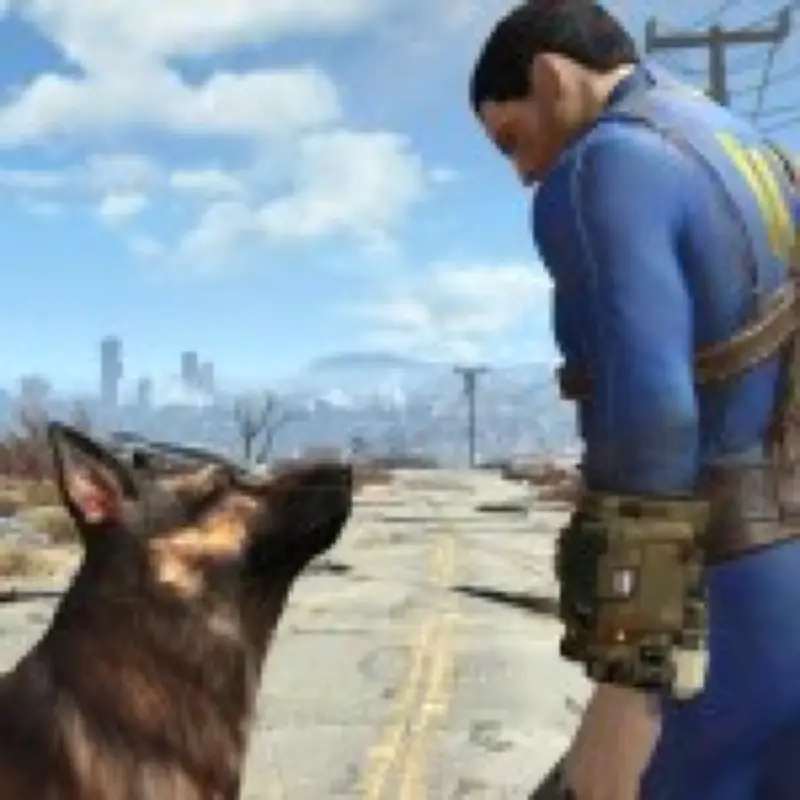
Veal argues that while Fallout 3 may be the superior game overall, Fallout 4 delivers one of the most chilling moments in gaming history. The game opens in an idyllic 2077 America, where players control a parent living in a suburban home with their spouse and newborn child. After a knock on the door, a Vault-Tec representative offers the family a place in Vault 111, should a crisis occur. The subsequent registration form allows players to customize their character, but the peace is shattered when a newsflash announces nuclear detonations in New York and Pennsylvania.
As sirens wail, the family flees through chaos to a lift platform. The spouse reassures, 'We’re going to be okay,' but moments later, a blinding flash reveals a mushroom cloud. The platform descends as the blast wave hits, sealing the fate of those left behind. Veal describes this as 'a dreadful mushroom cloud, huge and all powerful and terrifying,' emphasizing the emotional impact of witnessing the apocalypse firsthand.

Missile Command: A Cold War Relic
Missile Command, designed by Dave Theurer for Atari during the height of the Cold War, remains an iconic portrayal of nuclear defense. Players use a trackball to move a crosshair and shoot down incoming missiles to protect cities. The game's bright flashes on impact were memorable, but its grim ending—'THE END' after all cities are destroyed—underscored the futility of defense. The game's cultural status was cemented when John Connor played it in Terminator 2: Judgment Day, a film praised for its realistic depiction of nuclear devastation.
Modern iterations like Missile Command: Recharged offer updated visuals and gameplay, but Veal notes a key flaw: the explosions are now black voids, losing the nuclear flash effect. He speculates this might be due to sensitivity about atomic imagery, but the game still plays well, with modifiers and a missions mode.
War Games and the AI Parallel
Veal also revisits the 1983 film War Games, which he finds 'worryingly prescient' given today's AI advancements. The film's portrayal of a computer nearly triggering nuclear war mirrors current debates about AI in military systems. Veal quips, 'Putting AI in charge of nuclear weapons might save some cash-strapped government a fair chunk of money. I mean, what’s the worst that could happen?'
The Enduring Appeal of Nuclear Themes
From the arcade era to modern open-world RPGs, nuclear war in games serves as a powerful narrative device. It raises stakes, forces moral dilemmas, and explores humanity's fragility. As Veal concludes, the fusion of nuclear weapons and gaming can generate 'entertaining fusion,' offering both thrills and cautionary tales.