Lord Allen Resigns as British Horseracing Authority Chair After Six Months
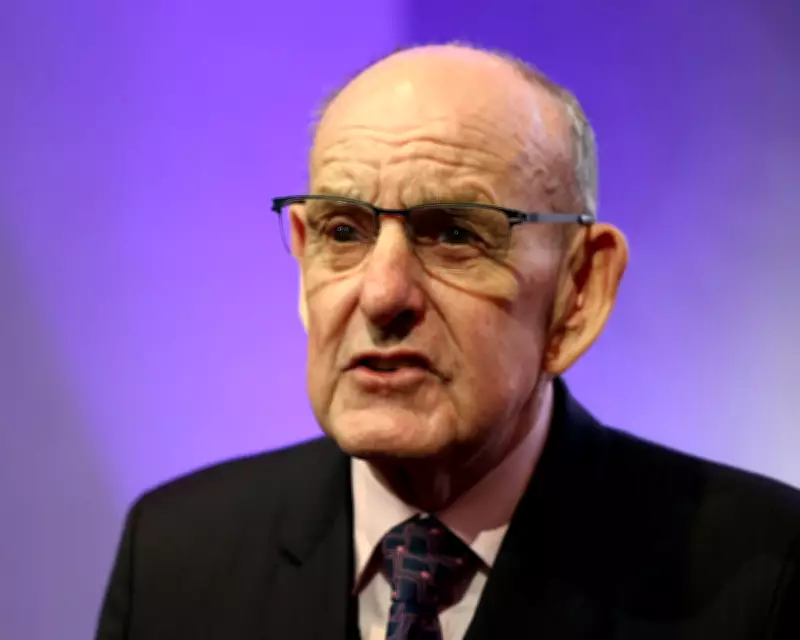
Racing's governance crisis has deepened significantly with the sudden resignation of Lord Allen as chair of the British Horseracing Authority. The Labour peer stepped down after only six months in the position, leaving the sport facing substantial organizational challenges and uncertainty about its future direction.
Abrupt Departure After Brief Tenure
Charles Allen, known as Lord Allen of Kensington, concluded his troubled and ultimately ineffective leadership of the BHA on Tuesday when the governing body announced his immediate resignation. The peer had officially assumed the role just last September after being nominated for the position late in 2024 following an extensive search process.
In a statement confirming his departure, Allen expressed admiration for the sport while acknowledging its challenges. "Horse racing is an amazing sport with great potential and over the last year I have met some incredibly passionate people who love the sport and who believe to survive and prosper that change is needed," he stated. "I also want to pay tribute to the hardworking and dedicated BHA team. I wish the sport well for the future."

Governance Deadlock Prevents Progress
Allen had accepted the position after member organizations of the BHA – including the Racecourse Association, Racehorse Owners Association, Thoroughbred Breeders' Association, and licensed personnel – unanimously agreed that the authority should have a completely independent board with a commercial remit. However, these same members have been unable to reach consensus on changing the BHA's rules to implement these crucial governance reforms.
Since rule modifications require unanimous support among member organizations, the deadlock has proven insurmountable. This inability to enact necessary changes ultimately prompted Allen's resignation, as the structural reforms he was appointed to oversee remained unachievable under current governance constraints.
Industry Reaction and Interim Measures
David Jones, the senior independent director of the BHA, acknowledged Allen's contributions while expressing regret about the circumstances. "The board would like to thank Charles for the time and effort that he has put into the role helping us to develop a vision that is aspirational and achievable, and we regret that we were unable to put in place at this time the governance changes that would have enabled us to progress this," Jones stated. "I have enjoyed working with him and wish him continued success."
The BHA board will now convene to determine what interim arrangements should be implemented following Allen's departure. This leadership vacuum comes at a particularly challenging time for British horse racing, which faces numerous competitive and financial pressures.
Major Tracks Demand Urgent Review
Simultaneously, several prominent racing venues – including Ascot, Goodwood, the Jockey Club, Newbury, and York Racecourses – have called for an urgent review of the Racecourse Association's governance structure. These influential tracks believe such examination is essential to support meaningful industry change and address the systemic issues plaguing British horse racing.
The coordinated demand from these major racing institutions underscores the widespread recognition that governance problems extend beyond the BHA itself and require comprehensive reform across multiple racing organizations. This development suggests that Allen's resignation may represent just the beginning of a broader reckoning within British horse racing's administrative structures.