Grand National 2026 Prize Money: A Lucrative Pursuit for Racing Elite
Thirty-four elite horses and their skilled jockeys are set to compete for both glory and substantial financial rewards in the 2026 Grand National this afternoon at Aintree. This iconic steeplechase, renowned as the most lucrative event in horse jump racing, features a total prize pool of £1 million, a figure that has remained consistent since 2014. The grueling race spans four miles, two-and-a-half furlongs, and thirty challenging fences, testing the endurance and skill of all participants.
Prize Distribution for Top Ten Finishers
The £1 million jackpot is allocated among the top ten finishers, with the victor claiming a remarkable £500,000. This represents a significant increase from the inaugural Grand National in 1939, which offered a mere £10,000 in total prize money. Below is the complete breakdown of earnings for the leading competitors:
- Winner: £500,000
- Second place: £200,000
- Third place: £100,000
- Fourth place: £65,000
- Fifth place: £40,000
- Sixth place: £30,000
- Seventh place: £20,000
- Eighth place: £15,000
- Ninth place: £10,000
- Tenth place: £5,000
Allocation Among Owners, Trainers, and Jockeys
Racehorse owners typically receive approximately eighty percent of the prize money, with the remaining twenty percent distributed among trainers, jockeys, and stable staff. Consequently, the owner of the winning horse stands to gain around £400,000. Jockeys, on average, earn about eight percent of the winnings, equating to £40,000 for a victory, while those achieving a placed finish generally receive four percent.

In addition to prize money, jockeys are compensated for their participation in races, and some secure lucrative personal agreements with owners. For instance, the legendary AP McCoy was reportedly paid £1 million annually by owner JP McManus, highlighting the potential for substantial earnings beyond race prizes.
Comparison with Other Prestigious Horse Racing Events
While the Grand National dominates the jump racing scene, its prize fund is overshadowed by several flat racing events. The Cheltenham Gold Cup, a key jump racing competition, offers a total purse of £625,000, with the winner receiving approximately £364,000. In contrast, the 2026 Epsom Derby has increased its prize money from £1.5 million to £2 million, awarding £1 million to the victor.
Globally, the Grand National's rewards are modest compared to the world's richest horse races. The Saudi Cup and The Everest race in Australia currently lead with a staggering prize pot of $20 million, equivalent to about £15.4 million, underscoring the vast financial disparities in international horse racing.
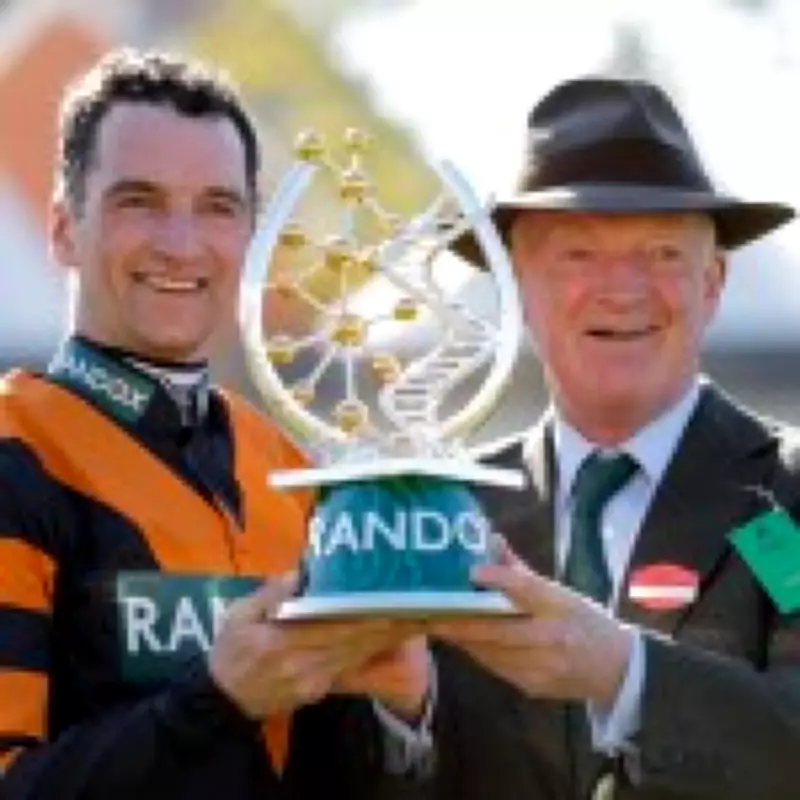
As the 2026 Grand National unfolds, all eyes will be on trainer Willie Mullins, who aims for a hat-trick of wins after securing victory in the past two years with I Am Maximus and Nick Rockett. The latter was ridden by his son, Patrick, adding a personal touch to the competition. Whether a new champion emerges or Mullins continues his dominance, the financial incentives ensure a fiercely contested race for all involved.