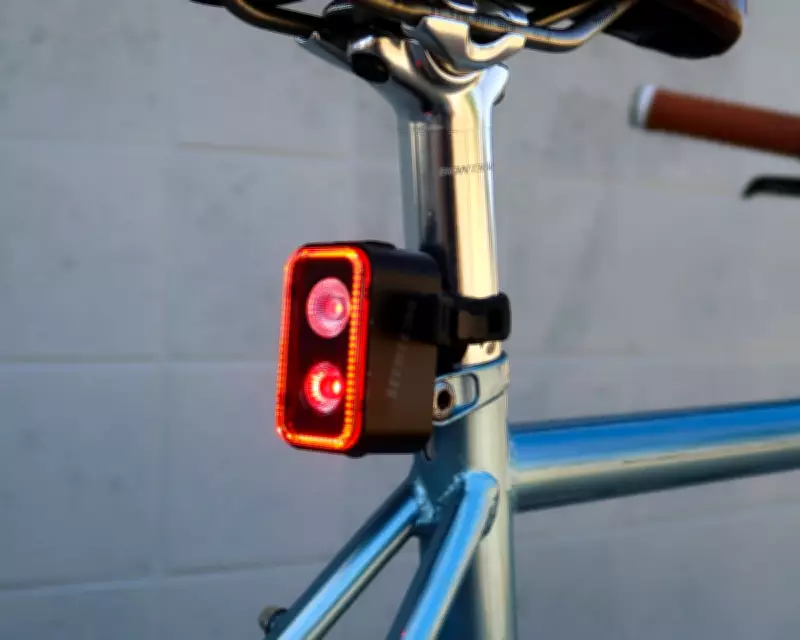
Essential Bike Lights for Safety: Top Picks for Day and Night Riding
Bike helmets are crucial for protection in a crash, but lights play a vital role in preventing accidents altogether. Research indicates that bike lights significantly enhance rider visibility in traffic, especially in bright or changing light conditions where cyclists might otherwise blend into the background. This is why bike lights are generally categorized into two types: high-output headlamps for illuminating roads at night and daytime running lights to ensure visibility to motorists around the clock. Whether you commute daily or ride occasionally for exercise, investing in a high-quality light is one of the most affordable ways to boost safety on two wheels. Modern LED lights offer impressive brightness and all-day battery life at minimal cost and weight, with convenient USB charging using the same cables as your phone.
We have rigorously tested options for city streets, suburban roads, and even advanced choices for open roads, such as radar-equipped rear lights designed for enthusiasts who navigate high-speed traffic with cars.
At a Glance: Top Bike Light Recommendations
- Best Daytime Front and Rear Combo: Trek Ion 100 R and Flare R City Light Set – $84.99 at Thunder Mountain Bikes
- Best Budget Combo: Ascher Ultra Bright USB Rechargeable Bike Light Set – $16.99 at Amazon
- Best Headlight: NiteRider Lumina Pro 1550 – $143.99 at Amazon
- Best Budget Headlight: Cygolite Metro Plus 800 – $41.29 at Amazon
- Best Tail Light: Magicshine Seemee 300 Smart Taillight – $44.99 at Amazon
- Best Budget Tail Light: NiteRider Vmax+ 180 Taillight – $34.99 at Back Country
- Best Radar Light: Garmin Varia Rearview Radar 820 – $299.99 at Walmart
Why Trust This Guide
With over 30 years of cycling experience and more than a decade of professional testing for bikes and gear, focusing on long-term durability and real-world performance, my reviews have been featured in publications like Outside and Bicycling. Riding year-round, often before sunrise or after sunset, bike lights are essential equipment in my daily setup. I have used everything from basic commuter blinkers to powerful spotlights for dark mountain trails, providing a comprehensive perspective on what matters for everyday use.

Testing Methodology
These bike lights were tested in conditions most riders face: early-morning commutes, evening road rides, mixed urban traffic, and unlit roads and bike paths. For front lights, beam shape was evaluated as carefully as brightness, ensuring even road illumination without harsh hotspots. Rear lights were assessed for visibility from multiple angles, including directly behind and offset positions. Ease of mounting, button usability with gloves, battery indicators, and weather resistance were all scrutinized through rain and winter conditions. The goal was to identify the most reliable and effective options for everyday riding across various budgets and uses.
Detailed Reviews of Top Picks
Best Daytime Front and Rear Combo: Trek Ion 100 R and Flare R City Light Set
This compact combo from Trek offers a dependable daytime running setup for commuters and recreational riders seeking a simple, fuss-free system. It is designed for visibility in traffic, not for lighting dark roadways. Trek achieves a practical balance with a focused beam and effective daytime flash mode. The Flare R City rear light features a wide-angle lens that enhances side visibility at intersections. Both lights use secure rubber strap mounts and include built-in battery gauges. However, the Ion 100 R lacks sufficient output for sustained night riding on dark roads.
Best Budget Combo: Ascher Ultra Bright USB Rechargeable Bike Light Set
If cost is a concern, this set provides functional lighting at an accessible price for short commutes or occasional evening use. It offers adequate brightness for well-lit streets and multiple flash modes, with compact, lightweight units and easy silicone strap mounts. USB recharging adds practicality. Downsides include a less refined beam shape and mounts that may shift on rough pavement, with limited weather resistance.

Best Headlight: NiteRider Lumina Pro 1550
For riders on unlit streets after dark, this light delivers a strong, well-shaped beam and dependable runtime. With brightness nearing car headlamps, it balances throw and peripheral illumination, making it suitable for spotting debris at high speeds. Daytime flash modes add versatility. However, battery life drops quickly at higher settings, lasting only 45 minutes on maximum output.
Best Budget Headlight: Cygolite Metro Plus 800
Ideal for regular night riding without a high price tag, this light offers 800 lumens for unlit paths and neighborhood roads. Multiple settings allow battery conservation, and it is compact for storage. Drawbacks include micro-USB charging and reduced runtime at maximum output.
Best Tail Light: Magicshine Seemee 300 Smart Taillight
Combining high output, brake-sensing functionality, and wide-angle visibility, this light mimics car brake lights by brightening during deceleration. Its broad beam improves side visibility at intersections. However, rough pavement can trigger the brake sensor, and the multiple features require a learning curve.
Best Budget Tail Light: NiteRider Vmax+ 180 Taillight
A practical choice from a reputable brand, this light offers 180 lumens for daytime and nighttime visibility, with long runtime and USB-C charging. It lacks brake-sensing and wide-angle features found in more advanced models.
Best Radar Light: Garmin Varia Rearview Radar 820
Using radar to detect vehicles up to 190 yards away, this high-end accessory provides audio and visual alerts, with features like same-speed tracking for open roads. It includes brake sensing and various flash modes. The high cost and frequent alerts in dense urban areas are drawbacks.
Additional Notable Options
Other lights tested include the Magicshine Seemee 150 Front Rear Smart Bike Light Set, Knog Blinder 900, Cygolite Hypershot 350, and Wahoo TRACKR Radar, which offer good performance but did not make the top picks due to factors like beam shaping or compatibility.
Key Considerations for Choosing Bike Lights
Daytime Use: Daytime running lights are essential for visibility in bright sun and at intersections. Many modern lights include high-contrast flash patterns for daytime detection.
Legal Requirements: Most states require a white front light and red rear reflector or light when riding after dark. Check local regulations, but lights are recommended at all times.
Lumen Guidelines: For night riding on city streets, 400 to 800 lumens is usually sufficient. Higher outputs are better for unlit rural roads. For daytime, beam shape and flash pattern matter more than raw lumen numbers.
Front and Rear Lights: Using both lights is beneficial for visibility from all directions, reducing collision risks.
Water Resistance: IPX4 is suitable for light rain, while IPX6 or IPX7 offers better protection for year-round commuting.
Light Modes: Flash modes are more noticeable during the day, while steady modes provide consistent illumination at night. Rear lights can use either, with peloton modes for group riding.
Battery Life: For daily commuting, aim for at least 2-3 hours on a medium setting for front lights and double-digit hours for rear lights in flash mode.
Radar Lights: Worthwhile for high-mileage road cyclists on open roads, providing alerts for approaching vehicles, but less useful for short urban commutes.
As a rider covering thousands of miles annually, radar technology has proven invaluable for reducing tension and enhancing safety on quieter roads.