Caribbean Sports Talent: A Catalyst for Regional Development
The Caribbean region, renowned for its vibrant culture and scenic beauty, is increasingly harnessing its sporting prowess as a powerful engine for development. With a rich legacy in athletics, cricket, and football, nations across the Caribbean are leveraging these sports to drive economic growth, empower youth, and enhance global visibility. This strategic focus on sports is transforming communities and positioning the region as a hub of athletic excellence.
Athletics: Sprinting Towards Success
In athletics, particularly sprinting, Caribbean athletes have consistently dominated global competitions, from the Olympics to World Championships. Countries like Jamaica, with stars such as Usain Bolt, have set world records and inspired generations. This success is not merely about medals; it boosts national pride, attracts tourism, and stimulates local economies through sports-related industries. Training facilities and coaching programs are expanding, providing pathways for young talent to emerge and thrive on the international stage.
Cricket: A Unifying Force
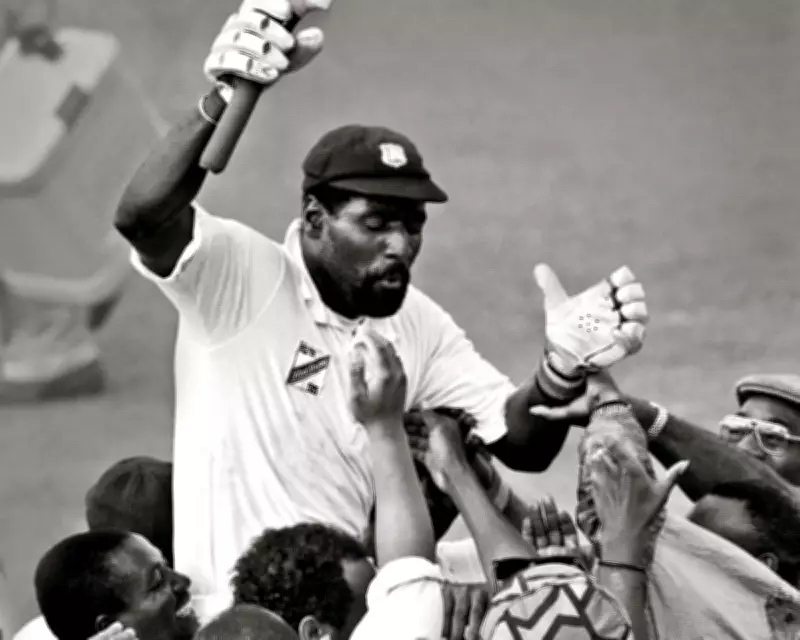
Cricket holds a special place in the Caribbean, serving as a unifying force across diverse islands. The West Indies cricket team, representing multiple nations, has a storied history of triumphs, including World Cup victories. This sport fosters regional cooperation, with investments in infrastructure like stadiums and academies creating jobs and promoting social cohesion. Youth engagement in cricket programs helps combat issues like crime and unemployment, offering positive outlets and skill development opportunities.
Football: Growing Global Influence
Football is rapidly gaining momentum in the Caribbean, with nations like Trinidad and Tobago and Jamaica making strides in international competitions. The sport's popularity is driving investments in grassroots initiatives, such as youth leagues and coaching clinics, which nurture local talent and improve health outcomes. As Caribbean players sign with top clubs worldwide, they bring attention and economic benefits back home, including sponsorship deals and enhanced sports tourism.
Economic and Social Impacts
The development potential of sports in the Caribbean extends beyond the field. Key benefits include:
- Economic Growth: Sports generate revenue through tourism, broadcasting rights, and merchandise, contributing to GDP and creating employment in sectors like hospitality and retail.
- Youth Empowerment: Sports programs provide education, discipline, and leadership skills, reducing dropout rates and fostering community engagement.
- Global Recognition: Success in sports elevates the Caribbean's profile on the world stage, attracting foreign investment and cultural exchange.
- Infrastructure Development: Investments in sports facilities improve local infrastructure, benefiting broader community use and urban planning.
However, challenges persist, such as funding gaps and the need for sustainable policies to ensure long-term impact. Governments and private sectors are collaborating to address these issues, with initiatives focused on talent identification, professional training, and international partnerships.
Future Prospects
Looking ahead, the Caribbean is poised to capitalize on its sporting talent. By integrating sports into national development strategies, the region can enhance health, education, and economic outcomes. Continued support for athletics, cricket, and football will not only produce more champions but also build resilient communities. As the world watches, the Caribbean's commitment to sports promises a brighter future, where athletic excellence drives holistic progress and inspires generations to come.