Romford's Long-Vacant Ice Rink Site Poised for Major Redevelopment
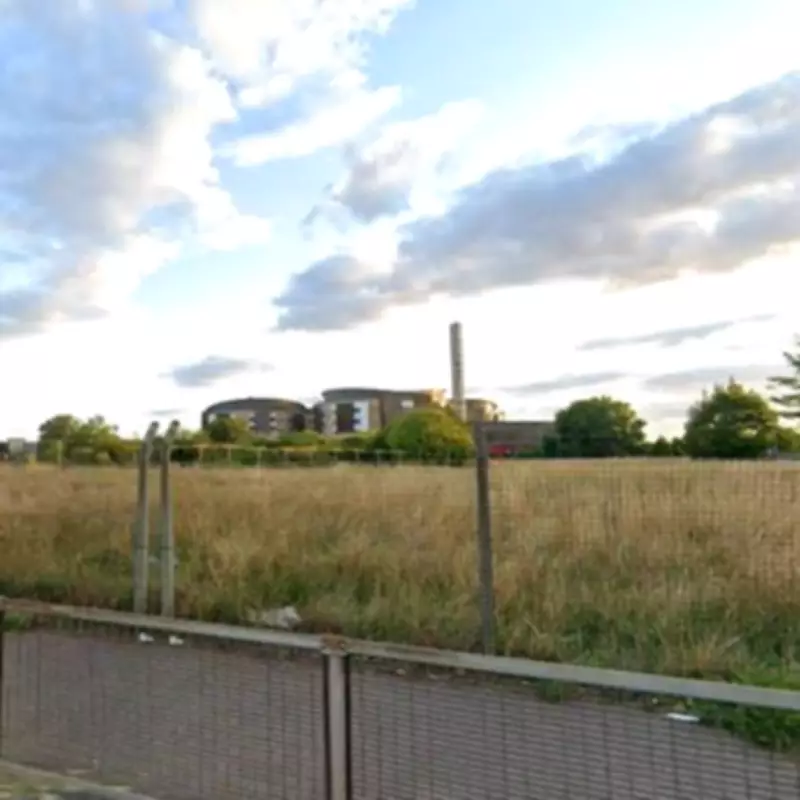
After standing empty for over a decade, the site of the former Romford Ice Arena is finally set for a dramatic transformation. Havering Council has granted planning permission for a £350 million residential-led urban village, bringing an end to 13 years of stagnation at this prominent location.
The Rise and Fall of an Iconic Venue
The Romford Ice Arena opened in February 1987 after 15 months of construction, representing a £3.75 million investment in community leisure facilities. The venue featured an international-size ice pad, seating for more than 1,000 spectators, cafés, bars, and office spaces. The excitement surrounding its opening was palpable, with dedicated skaters queuing from the early hours of the morning to be among the first on the ice.
Beyond recreational skating, the arena served as the home ground for the Romford Raiders ice hockey team, who achieved notable success including winning the Heineken League Division 2 championship in their inaugural 1987/88 season. The facility became an integral part of the local community, hosting countless events and creating lasting memories for generations of residents.
Years of Uncertainty and Failed Plans
The arena's closure in April 2013 marked the beginning of a prolonged period of uncertainty for the site. Havering Council sold the property to investors, forcing the Romford Raiders to relocate to Lee Valley Ice Centre where they were rebranded as the London Raiders. Various redevelopment proposals emerged and faltered over the subsequent years.
Initial discussions in 2011 suggested demolition and reconstruction with enhanced facilities including a gymnasium and swimming pool, though these plans were later scaled back to focus on renovation. A subsequent proposal to build a Morrisons superstore also failed to materialize, leaving the 2-acre site conspicuously vacant while the surrounding area continued to develop.
The Sapphire Ice and Leisure Centre Emerges
Community ice skating needs were eventually addressed with the opening of The Sapphire Ice and Leisure Centre in February 2018. This £25 million flagship complex, named in honor of Queen Elizabeth II's Sapphire Jubilee, features an innovative design with an ice rink positioned above a competition swimming pool—an engineering configuration previously attempted only once before in the UK.
The five-storey facility includes extensive leisure amenities such as saunas, a state-of-the-art gym, dance studios, fitness rooms, cafés, and retail units. It also provides a 900-seat spectator area, allowing the London Raiders to return to their Romford home for the 2018/19 season. The centre received recognition as the best civic building at the 2019 SPACES awards.
Rom Valley Gardens: A New Vision for the Site
In October 2025, Macfarlane and Associates secured planning permission for Rom Valley Gardens, a comprehensive £350 million development that promises to revitalize the long-dormant site. The hybrid application scheme approved by Havering Council's Strategic Planning committee includes 972 dwellings, with 232 specifically designated as intergenerational living units.
The development will incorporate 14,000 square feet of retail space and establish an NHS diagnostic clinical hub, enhancing healthcare accessibility in the area. Strategically positioned near Queen's Hospital and the new Elizabeth Line station in Romford, the project aims to create a vibrant urban village that addresses both housing needs and community infrastructure requirements.
Historical Context and Future Prospects
The concept of an ice rink in Romford actually predates the 1987 arena by several decades. The Romford Times first mentioned plans for a "super ice rink" called the Romford Athenaeum in January 1939, complete with artist's impressions, though these early ambitions never materialized.
The approval of Rom Valley Gardens represents a significant milestone in the site's history, transforming what had become a "ghost town" into a thriving residential and commercial hub. The development promises to reconnect the area with its community roots while providing modern amenities and addressing contemporary urban challenges.