MPs Demand Fraud Investigation Over Catastrophic Green Home Scheme Failures
A shocking new parliamentary report has exposed systemic failures in a government-backed energy efficiency programme, with MPs calling for the entire scheme to be referred to the Serious Fraud Office. The Energy Company Obligation (ECO) initiative, designed to help vulnerable households reduce heating costs and carbon emissions, has instead left more than 30,000 properties across the UK with severe defects including flooding, dangerous mould growth, and structural damage.
From Fairytale Promise to Living Nightmare
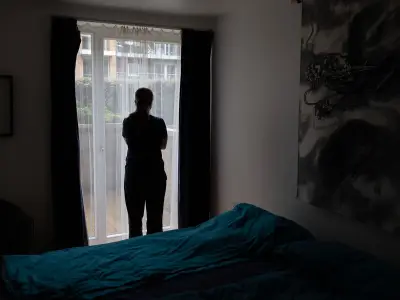
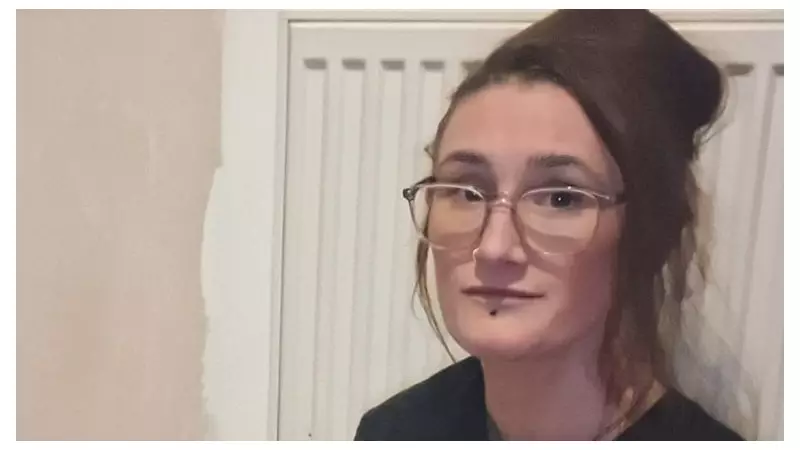
For single mother Jane Wallbank, what began as a promising opportunity to reduce her soaring energy bills quickly descended into what she describes as "the worst experience of my life." The support worker from south Wales qualified for free upgrades including internal wall insulation, smart radiator sensors, and an extractor fan under the ECO scheme. "I almost felt special, like I could cut energy bills and have a bit left each month," she recalled of the initial promise.
Instead, Jane endured three weeks without heating, watched her home flood from top to bottom, discovered mould spreading beneath her flooring, and faced doubled heating bills alongside worsening asthma attacks. "I'm just exhausted, truly, truly exhausted," she told Sky News. "I have spent every moment I have, between work and kids, pulling furniture around."

Systemic Failures and Inadequate Oversight
The Public Accounts Committee's damning report reveals "serious failings at every level" of the ECO scheme, which was funded through energy bills and overseen by a confusing patchwork of energy companies, government agencies, and contractors. While the insulation technologies themselves are well-evidenced to improve homes, poor oversight and financial incentives created conditions that attracted "cowboy" installers who frequently worked on unsuitable properties or delivered shoddy workmanship.
Committee chair Sir Geoffrey Clifton-Brown MP warned: "Potentially thousands of people are now living with health and safety risks in their homes, and despite government's protestations we have nowhere near enough assurance that they are not financially exposed to unaffordable bills to repair the defective works."
Inadequate Remediation and Continuing Problems
Despite awareness of these issues since 2024, the remediation effort has been woefully inadequate. The Trustmark quality scheme has identified and fixed only 3,000 of the estimated 30,000 homes affected by poor insulation installations—a mere 10% of the total. Meanwhile, new problematic installations have continued, including in Jane's rented property last autumn.
The problems extend far beyond insulation defects alone. Sky News has received numerous reports of additional issues including roofs damaged by poorly installed solar panels, heating systems incompatible with new heat pumps, and insulation that became wet and spread mould throughout properties. The original installers face liability capped at just £20,000 for remediation costs, despite some properties suffering up to £250,000 in damage.
Government Response and Future Concerns
Energy Minister Martin McCluskey acknowledged the scale of the problem, stating: "We inherited a broken system from the previous government and are cleaning up this mess." He confirmed that all homes with external wall insulation are being audited and that "no household should be asked to pay any money to put things right."
The government plans to replace the ECO scheme with local authority-run programmes that have demonstrated "significantly better record of delivery," while establishing a new Warm Homes Agency to provide stronger oversight for future retrofit projects. However, serious questions remain about the government's new £15 billion Warm Homes plan, which aims to expand solar panel and heat pump installations across the country.
Sir Geoffrey Clifton-Brown expressed deep concern about public confidence, noting: "The public's confidence will have rightly been shaken in retrofit schemes, and government now has a self-inflicted job of work on its hands to restore faith in the action required to bring down bills and reduce emissions."

Simon Francis, coordinator of the End Fuel Poverty Coalition, summarised the situation starkly: "Done properly, home upgrades and insulation are among the safest ways to bring down energy bills. Done badly, as we've seen, they can cause real harm. What's shocking is not just the scale of the damage, but how long it was allowed to happen without effective intervention."