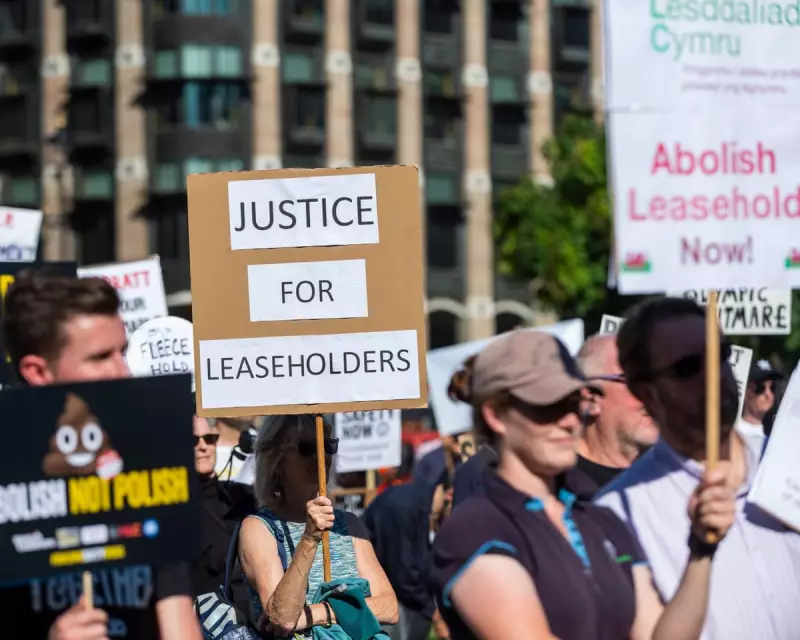
Deputy Labour leader Angela Rayner has issued a stark warning that the government's flagship leasehold reforms will fail unless it takes meaningful action to tackle crippling ground rents. The intervention comes amid intense lobbying from wealthy investors seeking to water down a key manifesto commitment.
The Battle Over Unaffordable Payments
Rayner, writing in a national newspaper, described a titanic battle raging within government to prevent the capping of ground rents. These are fees, often running to hundreds or thousands of pounds annually, that leaseholders pay to the owner of the land their home is built on. Unlike service charges, they provide no direct service in return.
The system has evolved from historical peppercorn rents into a significant financial burden. Nearly one million leases are now estimated to contain clauses allowing ground rents to escalate, sometimes doubling every five to ten years. This leaves families in financial distress, often unable to sell or remortgage their properties.

Manifesto Promise Under Threat
The Labour Party's election manifesto pledged to end this scandal. The imminent publication of a draft commonhold and leasehold reform bill presents a critical opportunity. However, Rayner revealed that ministers are facing furious lobbying from investors, including some pension funds, who profit from the current arrangements.
These investors, she argued, receive an unearned income stream for doing absolutely nothing, with the power to raise charges with total impunity. Defenders of the status quo warn that intervention could upset these investors.
A Question of Economic Priority
Rayner countered this argument by stating that only a tiny fraction of UK pension fund assets—potentially below 1%—are dependent on ground rents. She characterised these as unproductive investments that do nothing to grow the economy.
Incentivising a shift towards productive investments in infrastructure and technology, she contended, should be the government's priority. The core question, she stated, is whether Labour governs for rich investors or hard-working leaseholders.
A Test of Political Will
Rayner positioned the fight as symbolic of the government's entire mission. Having already introduced new protections through the Employment Rights and Renters' Rights Acts, she said this is a fresh chance to prove whose side the government is on.
She called for, at the very least, an annual cash cap on ground rents to be included in the upcoming bill. Failure to act on this obvious injustice, she concluded, would risk losing the faith of millions of families who have seen their living standards crushed.
The coming days will reveal whether the government can withstand the lobbying pressure and deliver on its promise to reform what Rayner termed Britain's feudal leasehold system.