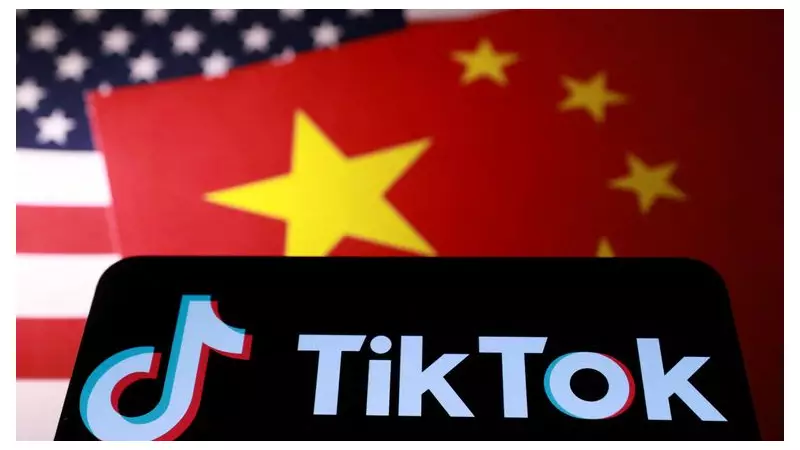
In a significant resolution to years of political tension, the United States and China have formally finalised a comprehensive agreement concerning the future of TikTok's American business operations. This landmark deal effectively concludes a prolonged period of uncertainty that has surrounded the popular video-sharing platform's status within the United States, a saga that spanned both the Trump and Biden administrations.
A New Ownership Structure for TikTok US
The core of the agreement stipulates that ByteDance, the Chinese parent company of TikTok, will relinquish majority control of its US division. This division will now be transferred to a consortium of investors, which notably includes financial backers associated with former President Donald Trump. The investor group is comprised of several major entities, ensuring a diverse ownership base.
Key Stakeholders in the Joint Venture
The new ownership framework establishes a joint venture with clearly defined stakes. According to the terms, ByteDance will retain a minority share of 19.9% in the US operations. The remaining majority ownership will be distributed among the managing investors:
- Oracle, the American technology giant, will hold a 15% stake.
- Silver Lake, a prominent California-based private equity fund, will also secure a 15% stake.
- MGX, an investment firm from the United Arab Emirates, will take an equal 15% share.
Adam Presser has been appointed to serve as the chief executive of this newly formed joint venture, tasked with overseeing the platform's American operations.
Ending Political and Security Concerns
This deal arrives just ahead of a critical deadline that had been established by the Trump administration and subsequently extended multiple times. It directly addresses legislation signed by President Joe Biden in 2024, which mandated that TikTok's Chinese owners divest their US interests or face an outright ban in the country.
The legislative action was driven by persistent concerns from US lawmakers regarding national security. Politicians expressed fears that ByteDance could be compelled to share sensitive user data with the Chinese government, a claim the company has consistently and vehemently denied. Additional criticisms centred on potential algorithmic manipulation, suggesting Chinese authorities might influence the content shown to American users to shape public opinion, another allegation firmly rejected by TikTok.
The Commercial Imperative
Despite these geopolitical tensions, the commercial reality made a resolution imperative. The United States represents TikTok's single largest market, boasting an enormous user and creator base of over 150 million active participants. Notably, Donald Trump, who had initially pursued executive action against the app during his first term, later voiced opposition to an outright ban, recognising the platform's significant cultural and economic footprint.
Broader Global Context
This resolution occurs against a backdrop of increasing global scrutiny on social media platforms, particularly concerning younger users. Several nations, including the United Kingdom, are actively considering implementing stricter regulations, potentially mirroring an Australian-style ban on social media access for individuals under the age of 16. The US-China TikTok deal, therefore, not only settles a major bilateral dispute but also sets a precedent for how nations might navigate the complex intersection of technology, data sovereignty, and foreign ownership in the digital age.