
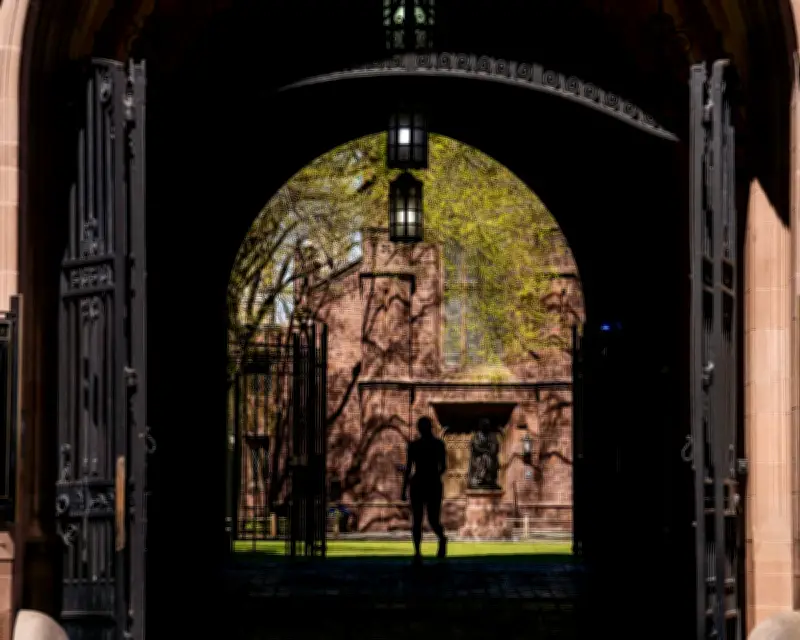
As news spread of Yale’s leadership negotiating a deal with the Trump administration, the university’s faculty, students, and alumni sprang into action to oppose any settlement, according to a Guardian US column by Jan-Werner Müller. The president and lawyers’ intentions remain unclear, but the battle over Yale’s response reveals a troubling pattern: many US institutions, including universities, can be run in a fairly authoritarian fashion, with deleterious consequences for democracy.
Civil Society’s Dark Side
The argument for civil society as a counterweight to government dates back to Alexis de Tocqueville, who praised Americans for associating to defend common interests. However, political scientist Sheri Berman noted in the 1990s that the Weimar Republic had a vibrant civil society, but its members were committed anti-democrats. Today, hate groups like the Proud Boys and Patriot Front exemplify this dark side.
Even pro-democracy organizations can have authoritarian structures, as law professor Genevieve Lakier pointed out. Managers may avoid all-out battles with aspiring authoritarian governments. Jurists Daniel J Hemel and David Pozen highlighted in "In Search of University Democracy" that US universities often give ultimate authority to politicians or trustees, with rare shared governance and little student input.
Anticipatory Obedience and Its Consequences
This wave of anticipatory obedience is egregious because non-leaders may know better. The Trump administration may not honor its own deals, and some deals give the justice department continuous control over an institution. Even if a university thinks it got off lightly, effects on applicants, faculty, and alumni could be profoundly negative. Yale Law School, not known for progressive resistance, is apparently opposed to any settlement, especially as universities fighting back have been vindicated by courts.
Disillusionment with civil society should not lead to defeatism. Where elite actors have failed, ordinary people have stepped up, as in Minneapolis. Not every institution must conform to representative democracy, but as we think about reconstruction in a post-Trump US, one question should be high on the agenda: do so many institutions in civil society need to be as authoritarian as they currently are?




