In a revealing examination of modern poultry production, experts highlight how the UK's chicken industry has become dangerously dependent on cheap imported soya bean, primarily sourced from South America. This reliance carries significant environmental and economic consequences that threaten the sustainability of factory-farmed poultry systems.
The Soya Dependency Crisis
Ruth Tanner, UK country director for World Animal Protection, responds to recent discussions about chicken feed by emphasizing that while chickens can physically consume various foods, the entire factory-farming business model has been built around cheap imported soya. "Modern, fast-growing broilers – including dominant commercial breeds like Ross 308 and Cobb 500 – were selectively bred over decades in an environment of abundant, inexpensive soya protein," Tanner explains. "Their genetics and feed systems have become completely coadapted to this single protein source."
Environmental and Economic Vulnerabilities
The rapid growth of these commercial chicken breeds relies heavily on the dense protein provided by soya bean meal. However, this dependency creates multiple vulnerabilities. The UK produces negligible amounts of soya domestically, as the crop doesn't grow well in British conditions. To maintain current meat production levels, the country imports more than 3 million tonnes of soya annually, with 68% originating from South America. Over 1 million tonnes of this imported soya is used specifically for broiler chickens.

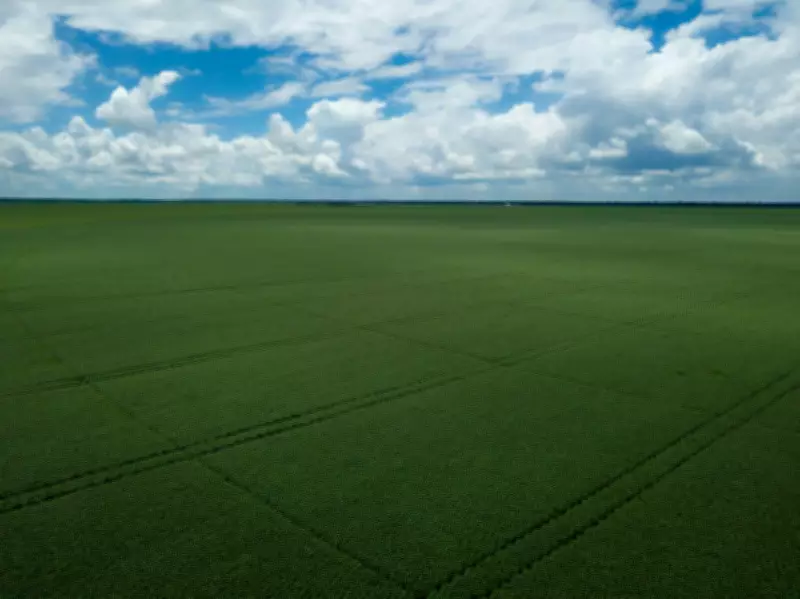
This import dependency links UK chicken consumption directly to environmental concerns in source countries. "Soya underpins modern global poultry production, but reliance on it carries mounting environmental and economic risk," Tanner states. "Much of this soya is connected to illegal deforestation in South America, creating an unsustainable supply chain that threatens both ecosystems and food security."
Alternative Approaches to Poultry Farming
While Professor Julian Wiseman correctly notes that soya represents the most complete plant protein available – which Tanner acknowledges is precisely why it has become so problematic – mounting evidence suggests alternative approaches could offer more sustainable solutions. Slower-growing chicken breeds raised in less intensive systems demonstrate greater adaptability to varied feeds and present a more resilient and humane alternative to current factory farming practices.
"These fast-growing birds face additional welfare concerns," Tanner adds. "They're more prone to digestive stress due to their unforgiving, rapid growth rates. The entire system prioritizes efficiency over animal wellbeing and environmental sustainability."
Systemic Challenges and Future Solutions
The debate extends beyond narrow questions of animal nutrition to encompass broader systemic issues. Cheap chicken production relies on high volumes, tight profit margins, and imported soya – a combination that appears increasingly fragile in the face of climate change, supply chain disruptions, and growing environmental regulations.
"While Professor Wiseman is correct within the limited frame of animal nutrition, our argument concerns the wider agricultural system," Tanner clarifies. "The current model looks increasingly unsustainable. There are numerous possible solutions for our collective food future, but continued reliance on factory-farmed chicken dependent on imported soya isn't among them."
The discussion highlights how globalized food systems create complex interdependencies, with UK chicken consumption directly connected to South American land use. As environmental concerns grow and supply chains face increasing scrutiny, the poultry industry may need to fundamentally reconsider its foundational assumptions about feed, breeding, and production methods.