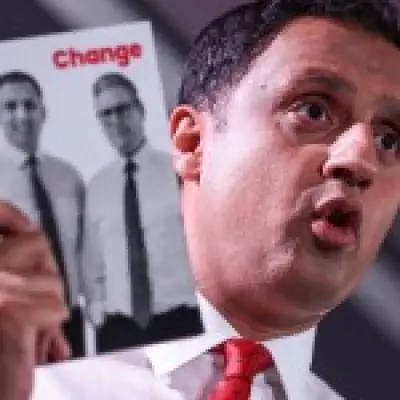
The shadow of past political missteps looms large over Sir Keir Starmer, as the errors of two influential men continue to haunt his leadership and the Labour Party's journey. The first figure is Peter Mandelson, the veteran Labour strategist and former minister, whose controversial career and recent interventions have revived old wounds. The second is a figure whose identity remains a subject of speculation, but whose mistakes have compounded the challenges facing Starmer.
Mandelson's Return
Lord Mandelson, a key architect of New Labour, has never been far from controversy. His return to the political spotlight, with reported advice to Starmer and public comments on strategy, has stirred unease among party members who associate him with the Iraq War and internal battles. Critics argue that Mandelson's influence undermines Starmer's promise of a clean break from the past. The Labour leader must navigate this delicate balance, as Mandelson's shadow could alienate left-wing voters and younger activists.
The Second Mistake
The second error, attributed to an unnamed senior figure, involves a miscalculation in party management or policy announcement that has further dented trust. This mistake is said to have occurred during a critical period, exacerbating existing divisions. While details remain vague, insiders suggest it relates to a failure to consult key stakeholders, leading to a public backlash. The cumulative effect of these missteps is a leadership that appears reactive rather than proactive.

Impact on Starmer
For Starmer, these are not just historical footnotes but active liabilities. They provide ammunition for opponents within and outside the party, questioning his judgment and independence. The narrative of being haunted by others' mistakes risks portraying him as weak, unable to control his inner circle or define his own political identity. With a general election looming, Starmer must find a way to distance himself from these legacies without alienating powerful party figures.
Lessons for the Future
The key lesson is that in politics, loyalty to past allies can become a burden. Starmer's team must ensure that decision-making is inclusive and transparent to avoid repeating errors. The focus should shift from defending past actions to presenting a forward-looking vision that resonates with the electorate. Only by addressing these ghosts directly can Starmer hope to lead Labour to victory.