The 2026 Turner Prize shortlist has been announced, and it feels notably safe compared to previous years. Gone are the angry, radical, and joyfully transformative works that once defined the prize. Instead, this year's nominees offer a more timid and fearful selection, reflecting the worn-down spirit of the times.
What's Missing from the Shortlist
This year's list lacks older artists, non-traditional backgrounds like last year's winner Nnena Kalu, painting, video art, and angry political statements. Instead, it features sci-fi utopianism, jazz performance poetry, ephemeral sculpture, and anti-corporate satire. While not bad, it misses the edge that made the Turner prize a cultural lightning rod.
Marguerite Humeau: Sci-Fi Utopianism
Marguerite Humeau's biomorphic sci-fi sculptures imagine a future where humans survive through collective work, modeled on ant and bee societies. Her lattice-like structures and honeycomb forms offer eco-survival through communism, with a sense of hope that collaboration can overcome current crises. While her AI work has been hit-or-miss, her sculptures are impressive.

Tanoa Sasraku: Bleak Military Aesthetics
Tanoa Sasraku's work blends military aesthetics with the grim world of oil exploitation. Her ICA show featured paperweights from petroleum companies infused with crude oil, offering a satirical takedown of the exploitative oil industry. It is unsettling, grotesque, and clever—everything conceptually focused art should be.
Kira Freije: Haunted Scrapyard Sculptures
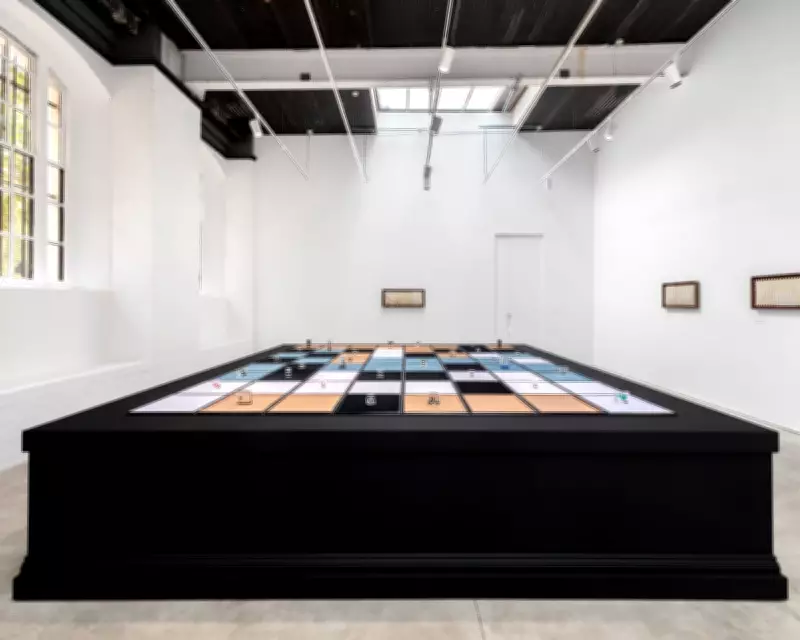
Kira Freije's installations feel like haunted scrapyards, with rusty nuts and bolts come alive. Her work at The Hepworth features lifesize human figures with metal hands and faces cast from life, attached to steel skeletons. Unlike other nominees, her art isn't heavily conceptual; it is figurative sculpture, ephemeral, mysterious, and emotional.
Simeon Barclay: Over-Serious Spoken Word
Simeon Barclay's nominated piece, The Ruin, is a spoken word performance poem about his upbringing in Huddersfield, accompanied by horn and percussion. It feels over-serious about something rather silly, like a parody that isn't meant to be funny. Barclay's usual mishmash of cultural signifiers is more interesting than this.
Insular and Elitist Selection
The shortlist consists of familiar names showing at familiar institutions, curated by friends of friends. This self-preservational approach makes the Turner prize feel like a corporate conference for the art world. While the artists are talented, the narrow casting risks losing public interest. The prize needs to widen its net to stay relevant.