Tulsi Gabbard Resigns as US Director of National Intelligence
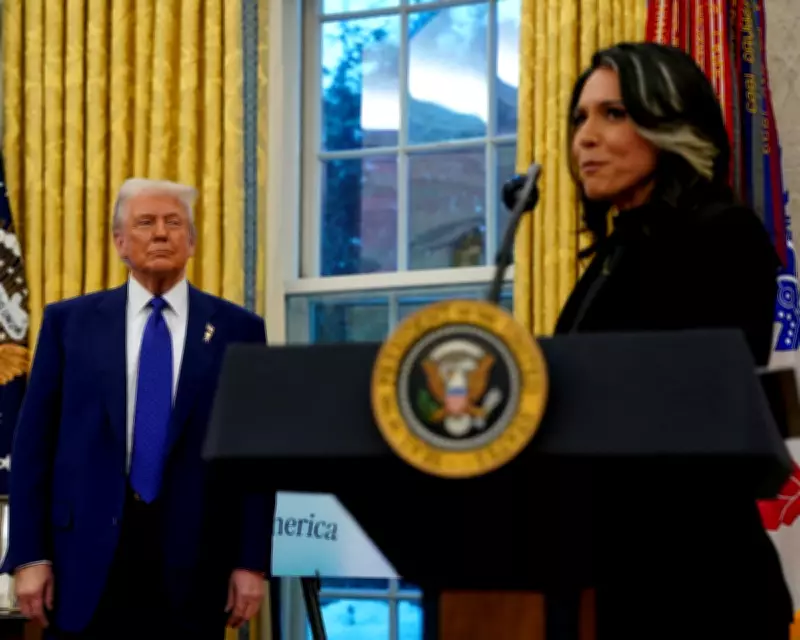
Tulsi Gabbard is stepping down from her role as US director of national intelligence after a tumultuous stint during which she was largely sidelined as President Donald Trump launched attacks on Venezuela and Iran. In a resignation letter to the president, Gabbard announced she would leave her post on June 30, citing her husband's recent diagnosis with a rare form of bone cancer.
"While we have made significant progress … I recognize there is still important work to be done," she wrote, adding that she must step away from public service to support her husband through his battle with cancer.
According to Reuters, the White House forced Gabbard to resign, citing a source familiar with the matter. However, a spokesperson for Gabbard's office denied these reports, calling them "100% false."

An Unconventional Tenure
Gabbard, a former Democrat, was an unconventional choice for the role, lacking an intelligence background and holding foreign policy views that sometimes diverged from Trump's, particularly on overseas military intervention. To ingratiate herself with the president, she vowed to root out politicization across US spy agencies and embraced his agenda of election denial. Over time, however, she became increasingly sidelined, excluded from key national security conversations on Iran and Venezuela.
Trump reportedly asked cabinet members last month whether he should replace Gabbard. In a statement on Truth Social, he wrote: "Unfortunately, after having done a great job, Tulsi Gabbard will be leaving the Administration on June 30th." He praised her work and announced that Aaron Lukas, principal deputy director of national intelligence, would serve as acting director.
Other Key Developments
In other news, Trump's nominee for surgeon general, Dr. Nicole Saphier, faces controversy for selling an herbal supplement containing an ingredient banned by the US military, which health experts warn can cause liver damage. Kevin Warsh has been sworn in as chair of the Federal Reserve, tasked with managing the economy amid pressure from Trump to cut interest rates. US arms sales to Taiwan are on pause due to the Iran war, according to the acting navy secretary. Additionally, Trump and Secretary of State Marco Rubio raised the specter of military intervention in Cuba, and attorneys for Mahmoud Khalil will ask the Supreme Court to intervene after a federal appeals court allowed the government to detain and deport him. Trump confirmed he will not attend his son Donald Trump Jr.'s wedding, citing government circumstances.