In a prime-time televised address that defied widespread expectations, former President Donald Trump delivered a combative and defensive speech focused on his domestic record, rather than announcing any significant foreign policy move.
A Speech That Defied Expectations
The White House had set the stage for a major announcement, scheduling the live address for 9pm on Wednesday night, a slot traditionally reserved for significant international developments. Speculation had been rife throughout the day that President Trump would use the platform to address the potential for US military action in Venezuela.
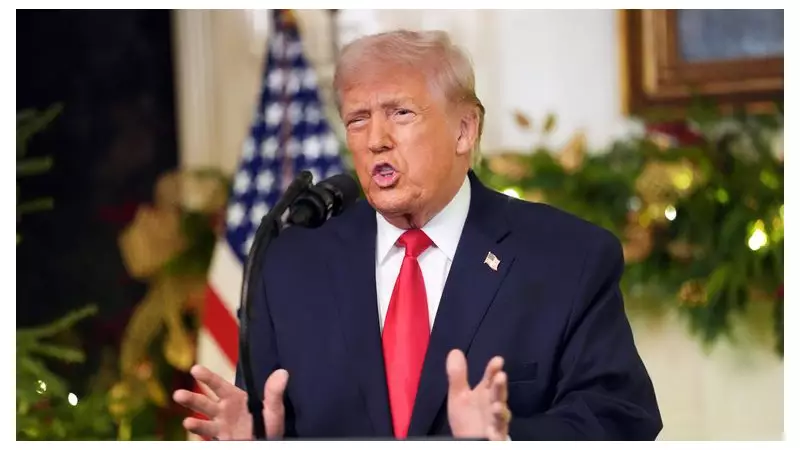
Instead, flanked by Christmas trees in the White House Diplomatic Reception Room, Trump pivoted to a rapid-fire defence of his economic management. He blamed his predecessor, Joe Biden, for an economy he claimed was on the "brink of ruin" when he took office. "Our country is back, stronger than ever before," Trump asserted. "We're poised for an economic boom the likes of which the nation has never seen."

The Defensive Tone and Economic Reality
The speech was notable not for new policy, but for its palpable frustration. Reading unusually closely from a script, Trump appeared angry and defensive, seemingly baffled by his persistently low polling numbers. The subtext of his address appeared to be a plea: why aren't voters feeling better off?
This tone clashed with the complex economic backdrop. While petrol prices have fallen, the broader cost of living continues to rise. Crucially, the unemployment rate climbed to 4.6% in November, marking its highest point in five years. This data contradicts the narrative of an unleashed economic boom that the president promoted.
The sole concrete announcement was a $1,776 bonus for all US service members, a move Trump said was finalised only "about 30 minutes ago" with cheques already in the post.
Political Repercussions and a Shifting Base
The address raises significant concerns for Trump's political future. His core appeal to many swing voters has long been rooted in the perception that, despite his divisive style, he is a competent businessman who can manage the economy effectively. This speech, characterised by defensiveness rather than empathy, risks eroding that crucial support.
Furthermore, there are signs of fraying within his own base, highlighted by public criticism from former allies like MAGA stalwart Marjorie Taylor Greene. For political observers who have questioned Trump's stability, the slightly strange and agitated tone of this prime-time address will likely serve as further evidence in their assessment. The performance seemed less a strategic presidential communication and more the venting of a deeply frustrated campaigner.