The Uncertain Future of Hammersmith Bridge
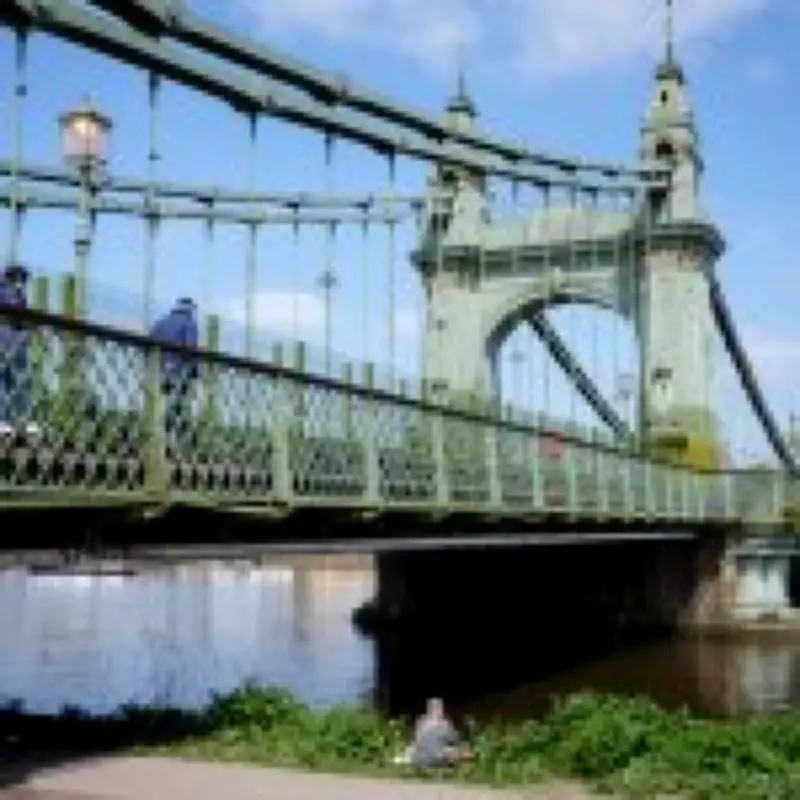
The iconic Hammersmith Bridge, a striking green Victorian suspension structure in west London, continues to face significant challenges regarding its potential full reopening. Originally opened in 1887 for horse-drawn carriages and pedestrians, this historic landmark has endured decades of service, terrorist attacks, and structural decay that now threaten its functionality.
A History of Challenges and Closures
Throughout its long history, Hammersmith Bridge has survived multiple IRA attacks in 1939, 1996, and 2000, with two incidents causing damage that required subsequent repairs. However, the combination of persistent corrosion and increasing heavy traffic eventually rendered the bridge unsafe for vehicles, leading to its partial closure to buses and motorists in 2019. While pedestrians and cyclists regained access in 2021 following safety inspections, the bridge's capacity for full vehicular traffic remains in serious doubt.
Millions of pounds have already been invested in maintaining limited access for cyclists and walkers, but the estimated cost for complete restoration and reopening to all traffic could reach an astonishing £250 million. Even if funding materialises, experts suggest that cars might not cross the bridge again until 2035, creating ongoing transport difficulties for local communities.

Community Debates and Proposed Solutions
The prolonged uncertainty surrounding Hammersmith Bridge has sparked intense discussions among residents, campaigners, and politicians from both sides of the River Thames. Local activists behind the "Hammersmith Bridge is open" campaign emphasise that the structure remains accessible to pedestrians and cyclists, arguing that the narrative should focus on what functions rather than what doesn't.
Charles Campion, an architect from Barnes and member of the Hammersmith Bridge is Open group, told Metro: "The bridge is open and more and more people are using it. But we need a public transport option. We need something now for the community and businesses." Among the innovative proposals are autonomous pods that would shuttle non-cyclists and pedestrians to Hammersmith station, providing an intermediate transport solution.
Other suggestions from Metro readers include extending the Hammersmith & City line south across the river or constructing an entirely new bridge adjacent to the Victorian structure. Rebecca Mason proposed implementing tolls on all bridges west of the Congestion Charge zone, with revenue dedicated to maintaining these crucial river crossings.
Transport Disruption and Political Responses
The bridge's closure has significantly disrupted local bus services, with routes 33, 72, 209, 419, 485, and 609 all affected by the vehicle ban. Route 72, which previously connected Roehampton to East Acton, now terminates at Hammersmith station, while route 485 has been shortened, no longer reaching Hammersmith Bus Station.
These transport changes have reportedly complicated access to Charing Cross Hospital and increased traffic congestion in Chiswick, Putney, and Wandsworth. Fleur Anderson, Labour MP for Putney, highlighted the ongoing impact on residents, stating that some see their children less due to extended commuting times caused by the closure.
Conservative councillor Liam Downer-Sanderson from Hammersmith & Fulham Council has proposed building a temporary bridge to restore bus, emergency vehicle, and general traffic flow, positioning this as a key issue in upcoming May elections.
Financial Complexities and Ownership Challenges
Restoration efforts are complicated by the bridge's Grade II-listed status, which imposes additional constraints and costs on any refurbishment work. Although owned by Hammersmith & Fulham Council, the government is exploring a funding model where the council and Transport for London would each contribute one-third of repair costs, with taxpayers covering the remainder.
A council spokesperson explained: "Hammersmith Bridge, built in 1887, is one of the world's oldest suspension bridges which is why it is also one of Britain's most expensive to repair." The council awaits news regarding their bid for funding from the new £1 billion Structures Fund for transport infrastructure.

As debates continue between preservationists, transport planners, and local communities, Hammersmith Bridge stands as both a cherished Victorian landmark and a practical transport puzzle awaiting resolution. The coming years will determine whether this iconic structure can adapt to twenty-first century demands while preserving its historical significance.