Milan Winter Olympics Protests Escalate into Violent Clashes with Police
The 2026 Milan Cortina Winter Olympics have been marred by significant civil unrest, with thousands of protesters taking to the streets of Milan in opposition to the games. What began as peaceful demonstrations has escalated into tense confrontations between law enforcement and activists, casting a shadow over the international sporting event.
Peaceful Marches Give Way to Violent Confrontations
Initial protests saw approximately 10,000 participants, including families, grassroots organisations, and trade union groups, marching peacefully past the newly constructed Olympic Village. Demonstrators carried banners and signs expressing opposition to various aspects of the games, particularly focusing on the controversial involvement of the United States Immigration and Customs Enforcement (ICE) agency providing security for the American delegation.
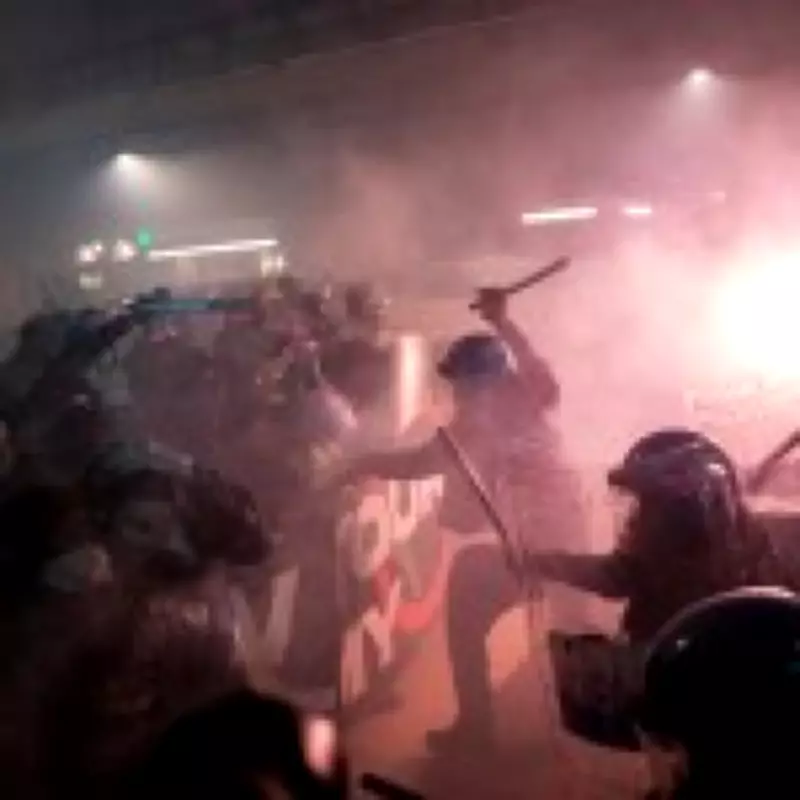
The situation deteriorated when a splinter group of around 100 hooded protesters broke away from the main demonstration. According to Reuters reports, these individuals launched flares and fireworks at police lines, prompting authorities to respond with water cannons and tear gas to disperse the crowd. Masked activists had previously set off smoke bombs and firecrackers on a bridge located approximately half a mile from the Olympic Village where athletes are accommodated.
Multiple Grievances Fuel Demonstrations
Protesters have articulated several key concerns driving their opposition to the Winter Olympics. Environmental impact represents a primary complaint, with activists highlighting damage to mountain ecosystems, excessive energy consumption for artificial snow production, and broader sustainability issues. Francesca Missana, a 29-year-old demonstrator, told AFP news agency: 'The Games are no longer sustainable from an environmental or a social point of view, their time is up.'
Financial concerns have also galvanised opposition, with the games estimated to cost approximately £4.5 billion. A healthcare worker participating in the protests expressed frustration to Euronews: 'It's public money that has been spent on a display window. It may be interesting to have these showcase events, but at a time when there is not enough money for essential things, it makes no sense to spend it in this way.' Many locals complain that funds have been diverted to Olympic infrastructure rather than addressing pressing needs like healthcare or mountain conservation.
Political Dimensions and International Reactions
The protests have taken on distinct political dimensions, with demonstrators targeting both domestic and international figures. Protesters called for US Vice President JD Vance and Secretary of State Marco Rubio to leave Italy, while Vance and his wife Usha faced audible booing during the opening ceremony. The Israeli Olympic team similarly encountered negative reactions from sections of the crowd during the same event.
Italian political leadership has also come under fire, with banners criticising the government led by Prime Minister Giorgia Meloni and Milan's mayor. The controversy follows previous clashes in Turin, northern Italy, which resulted in more than 100 injuries, indicating that Olympic-related unrest has been building across the region.
Broader Context and Local Impact
Beyond the immediate protests, the Winter Olympics have sparked wider criticism regarding their effect on Milan residents. Many locals report being priced out of the city due to increased living costs associated with hosting the games. The substantial financial investment has raised questions about priorities, particularly when balanced against essential public services and environmental protection measures.
Italy's government implemented a preventive detention decree before the games opened, reflecting concerns about potential disruptions. However, this measure has failed to prevent the escalation of protests from peaceful marches to violent confrontations that now threaten to overshadow the athletic competitions themselves.