Russian Celebrity's Viral Kremlin Critique Sparks Political Debate Amid Putin's Declining Ratings
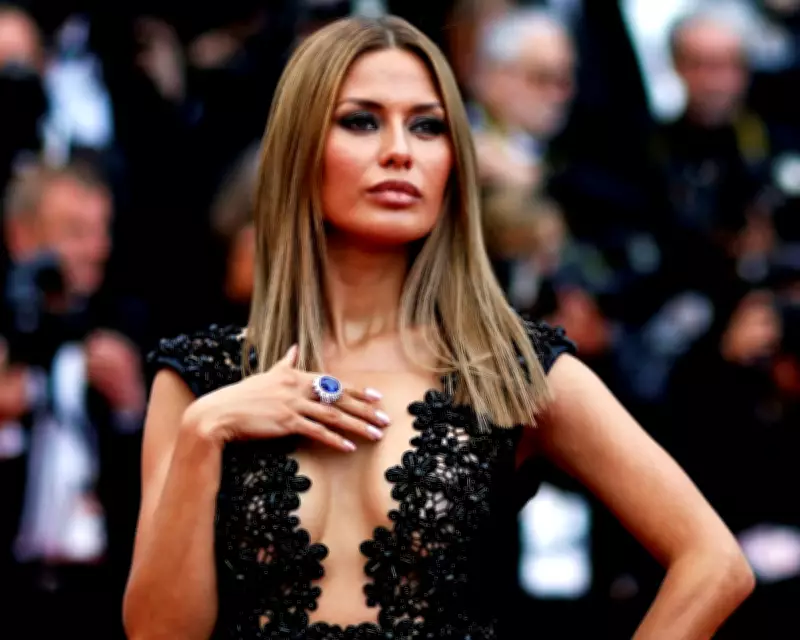
Victoria Bonya, a prominent Russian actor and model who gained fame on the reality television show Dom-2 in 2006, has unleashed a viral critique of the Kremlin that has captured national attention. Her 18-minute Instagram video, posted on Monday, has amassed an astonishing 26 million views and over 1.3 million likes within just four days, creating significant political ripples across Russia.
The Content of Bonya's Scathing Critique
In her powerful video, Bonya directly addressed Russian authorities with a warning that mounting problems risk spiraling out of control. "The people are afraid of you, artists are afraid, governors are afraid," she declared from her residence outside Russia. The celebrity blogger meticulously listed numerous issues she claims regional governors would never dare raise directly with President Vladimir Putin.
Her comprehensive list included devastating flooding in Dagestan, extensive oil pollution along the Black Sea coast, widespread livestock culls in Siberia, increasing internet blackouts, and a severe squeeze on small businesses struggling with rising prices and taxes. Bonya framed these problems as consequences of poor governance, stating, "You know what the risk is? That people will stop being afraid, and they're being squeezed into a coiled spring, and that one day that coiled spring will shoot out."
Kremlin's Unusual Response and Political Context
In a remarkable departure from standard procedure, Moscow publicly acknowledged Bonya's sharp criticism on Thursday, announcing that work was underway to address the problems she identified. This unusual response comes as Putin's approval and trust ratings have slipped to their lowest levels since Russia's February 2022 invasion of Ukraine, according to multiple recent opinion polls from both state and independent organizations.
Political analysts note that Bonya's comments notably avoided directly targeting Putin himself or mentioning the war in Ukraine. This has prompted speculation that the intervention might have been coordinated with Moscow to signal that public grievances are being heard ahead of parliamentary elections scheduled for later this year. The approach aligns with a familiar Kremlin strategy of casting Putin as the "good tsar" kept unaware by errant officials, allowing him to deflect blame for national problems onto subordinates while preserving his personal standing.
Analysts Weigh In on Growing Discontent
Andrei Kolesnikov, a Moscow-based political scientist and author of a recent book on Putin's ideology, suggests the outburst likely reflects spontaneous reaction to simmering discontent rather than coordination. "War fatigue is really starting to set in," Kolesnikov observed. "It is beginning to click in people's minds that everything that is happening is a consequence of the war." He added that authorities face increasing difficulty explaining away the war's impact on everyday life, from economic slowdown to tightening internet restrictions.
Abbas Galyamov, an exiled former Putin adviser, emphasized the significance of Bonya's intervention: "Bonya is bringing a fundamentally new audience into the opposition camp that wasn't there before." He noted that dissatisfaction is growing among broader segments of society who face internet problems, rising store prices, and the psychological toll of war. "The state is intruding into their private lives," Galyamov concluded.
Broader Political Pressures on Putin's Administration
The viral critique emerges amid multiple pressures on Putin's government. At a Wednesday meeting with top officials, the president tacitly acknowledged economic strains, pressing the government and central bank to explain why performance has fallen short of expectations this year. Simultaneously, Putin faces simmering anger from hawkish pro-war bloggers who embed with frontline units and have grown increasingly frustrated with Moscow's slow battlefield progress and mounting losses.
Andrey Filatov, a reporter for Russia Today, highlighted this military discontent, writing: "Actual losses are either concealed entirely or spread out over time, creating the impression at the top that the situation is not so critical. As a result, the army is not adapting."
Victoria Bonya's viral intervention represents a significant moment in Russian public discourse, demonstrating how celebrity voices can amplify widespread grievances and challenge official narratives. As Putin's approval ratings continue their sixth consecutive weekly decline, the Kremlin's unusual public response to Bonya's criticism suggests recognition of growing public discontent that extends beyond traditional opposition circles.