
Preston and St Helens, two Lancashire towns that powered the Industrial Revolution, are experiencing a renaissance. From a £19m museum refurbishment in Preston to the conservation of a historic glass bottle shop in St Helens, these towns are reclaiming their legacy while building for the future.
Preston: A City Reborn
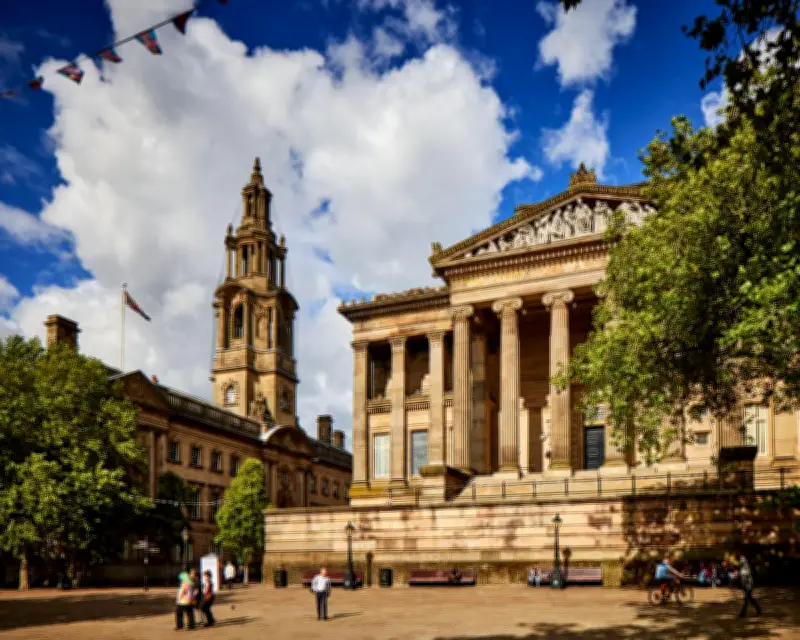
Preston, designated a city in 2002, has long been a centre of power and innovation. The Harris Museum and Gallery reopened in September after a £19m refurbishment, now a hub for art, local history, textiles, and more. It houses the Cuerdale hoard, the largest Viking hoard found in England, though the author suggests the Ashmolean and British Museum should return it.
The city boasts St Walburge's Church, the tallest parish church in the UK, designed by Joseph Hansom. Its spire symbolises hope. Other landmarks include the brutalist bus station, the Guild Hall, the monument to the 1842 martyrs, and Winckley Square with its Georgian terraces.
Industrial Inventions and Cultural Venues
Preston's industrial past birthed innovations: Richard Arkwright, father of the factory system, was born here; Centenary Mill's chimney once challenged the churches. The temperance movement, led by Joseph Livesey, and professional football—Preston North End, a founder member of the Football League—originated here. Dick, Kerr Ladies was one of the first women's football teams.
Today, traditional pubs like the Black Horse coexist with modern eateries such as Kimji, Pintxos, and Aven. The city's 'Preston Model' of local authority investment is gaining recognition, with Manchester's former mayor Andy Burnham acknowledging its influence.
St Helens: From Glass to Regeneration
St Helens, historically part of Lancashire but now in Merseyside, is undergoing major transformation. The No 7 Cannington Shaw Bottle Shop, built in 1886, was once part of the world's largest glass bottle production site. Now conserved, it hosts artisan craft markets on the first Saturday of each month. Project director John Tabern said, 'As an ex-glassman, it's extremely important to me. I'm proud of St Helens and want people to know its story. But we must monetise it with gigs and markets.'
A large regeneration area east and south of the town hall will feature a new bus station, homes, offices, and green spaces. The Gamble Building will house a library and youth space. The Beecham's building, built in 1887, and Reflection Court, the old Pilkington's headquarters, showcase the town's architectural heritage.
Celebrating Heritage and Community
St Helens Minster, upgraded from parish church in May, symbolises community. The Book Stop community bookstore, where the author has shares, reflects local spirit. The Windleshaw Chantry, dating from 1415, marks the grave of Jean Baptiste François Graux de la Bruyere, who brought glass-making to St Helens.
Both towns offer unique attractions: Preston's Guild Wheel cycle route, the Ribble Steam Railway, and the Harris; St Helens' World of Glass, the Dream sculpture, and Café Laziz. As the author notes, these bypassed towns are finally celebrating their legacy.




