Marseille's Political Crossroads: Far-Right Threatens Progressive Stronghold
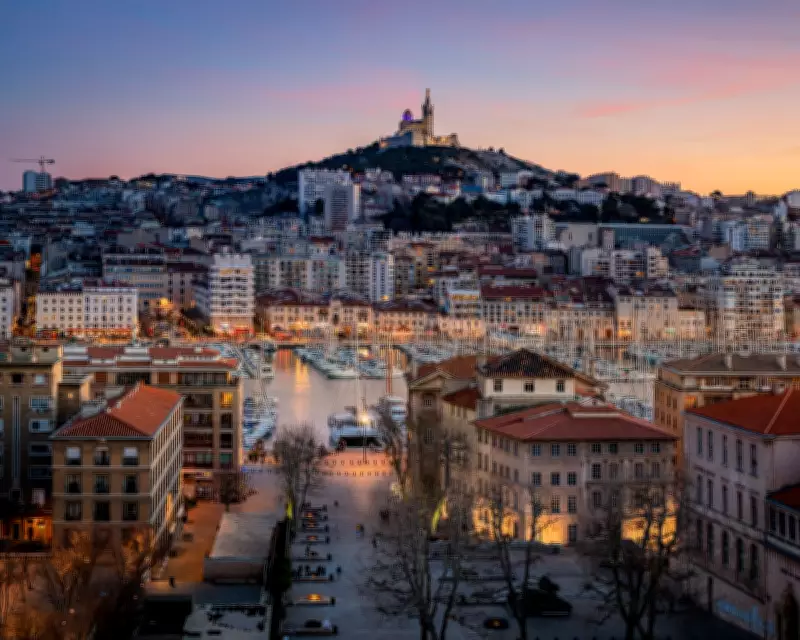
Marseille, renowned as France's coolest city and a haven for artists and progressives, stands on the brink of a political transformation that could reverberate across the nation. Shaped by centuries of immigration and a proud working-class identity, this sun-bleached metropolis now faces the prospect of far-right rule in upcoming municipal elections, challenging its liberal ethos.
A City Divided by History and Hope
For many residents, the far right's presence is inextricably linked to the tragic 1995 killing of Ibrahim Ali, a teenager shot by National Front militants. Today, that party has evolved into Marine Le Pen's National Rally (RN), and polls indicate it could seize control of Marseille. With the first voting round scheduled for 15 March, RN candidate Franck Allisio is tied with incumbent socialist mayor Benoît Payan, reflecting a surge in support that has gripped the city of 880,000 inhabitants.
Nearly one in three voters plan to back the National Rally, a significant increase from the 2020 local elections. This shift has sparked vocal opposition, notably from Olympique de Marseille football fans who have used chants and banners to protest the far right's rise. The question of how such a diverse city could embrace extremist politics underscores broader national trends, as the RN blurs lines with the mainstream right and encroaches on traditional leftwing constituencies.
The Battle for Marseille's Soul
Since 2020, Marseille has been governed by the Green-left alliance Marseille Spring, which broke decades of clientelist dominance and appointed the city's first female mayor. Key to this victory were the votes of néo-Marseillais, newer left-leaning residents drawn by affordable rents and the city's reinvention as a hip tourist destination. However, the alliance's progressive politics now face a formidable challenge from Allisio, who leverages a background as a former adviser to Nicolas Sarkozy and a narrative of embodying Marseille's diversity through his Italian-Tunisian heritage.
Allisio's campaign focuses heavily on law and order, promising to triple police numbers and double CCTV cameras to combat drug-related gang violence in northern districts. He has also proposed controversial measures, such as a pass limiting beach access to families and the elderly, dubbed the anti-scum pass by locals. In contrast, Payan's re-election bid gained momentum with the support of anti-drugs campaigner Amine Kessaci, who warns of the risks a far-right victory poses to the city's north African communities.
National Implications and Uncertain Alliances
This election is the most closely watched municipal contest in France, as the far right has never captured a major metropolis. RN leaders, including party president Jordan Bardella, recognize that winning Marseille would be highly symbolic and bolster their prospects for the 2027 presidential elections. Despite regular defacement of his posters in the city centre, Bardella exudes confidence, while Payan describes a potential RN victory as an earthquake for France.
Political divisions complicate the landscape: the mainstream conservative Les Républicains have so far refused an alliance with Allisio, but this could change. On the left, factions remain bitterly divided, with radical La France Insoumise candidates attacking Payan more than the far right, undermining the unity that previously kept Le Pen's party out of power nationally. As campaigning enters its final days, trepidation grows over the possibility of Marseille tipping into far-right hands, with tremors expected to extend far beyond the city and France itself.