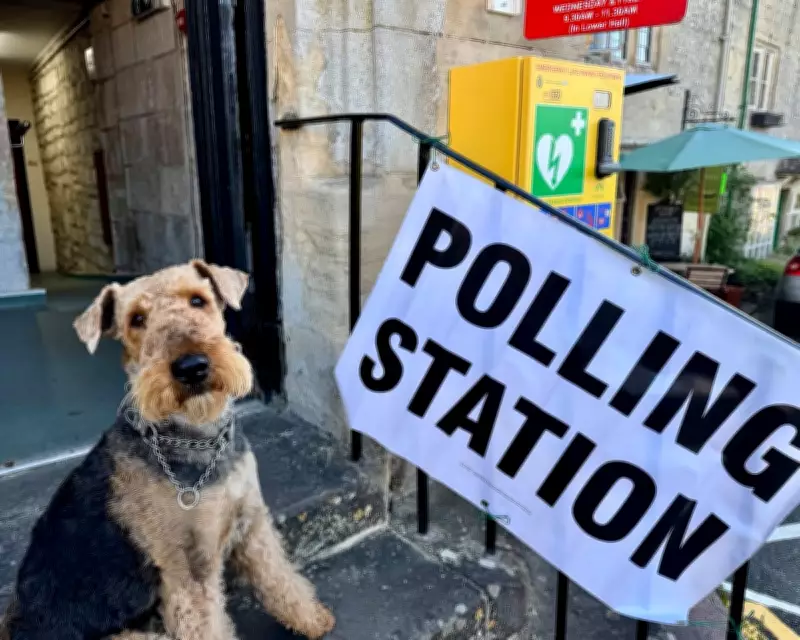
Government Abandons Plan to Delay Local Elections After Legal Threat
Ministers have abruptly abandoned proposals to postpone local elections in 30 English councils, conceding they were likely to lose a legal challenge over the decision. The reversal, announced by housing minister Matthew Pennycook on Monday, came after housing secretary Steve Reed recused himself from the matter, raising significant questions about government decision-making processes that officials have declined to address.
Legal Grounds for Postponement Questioned
Government officials had previously postponed local elections under different circumstances. Last year, then-local government secretary Angela Rayner delayed elections for nine councils to facilitate major reorganization efforts aimed at eliminating two-tier authorities where district councils operate alongside county ones. This reorganization remains ongoing, which initially justified Reed's proposal for additional postponements this year.
However, officials acknowledge that Reed received warnings before deciding to postpone 30 elections—five of which had already been delayed last year—that the move would likely face legal challenges. The legal advice reportedly became more explicit about the government's probable defeat only after Reform UK leader Nigel Farage initiated a judicial review process challenging the decision.

Key Differences in This Year's Approach
Several factors distinguished Reed's decision from previous postponements. The scale was substantially larger, affecting significantly more authorities, with five councils facing election delays for the second consecutive year. Additionally, before making his decision, Reed published an article in the Times arguing that voters would not want to participate in elections for what he termed "short-lived zombie councils" destined for abolition through reorganization.
Critics suggest this article could have been used as evidence that Reed had predetermined the outcome before properly considering whether and where to delay elections, potentially undermining the decision-making process.
Ministerial Recusal and Decision Reversal
Government sources indicate that when departmental lawyers recommend reversing a decision due to potential illegality, it is standard practice for a different minister within the same department to make the reversal. This protocol has precedent, such as when the Conservative government in 2021 overturned a housing development approval originally granted under then-secretary Robert Jenrick, delegating the reversal to housing minister Eddie Hughes.
Nevertheless, government insiders describe delegating such sensitive decisions as "very rare." Official guidelines from the government legal service suggest ministers can reconsider their own decisions based on legal advice, stating: "Normally a decision maker can reconsider a disputed decision and perhaps withdraw: you should always seek legal advice about reconsideration."
Downing Street's Involvement and Council Preparedness
While Downing Street was closely involved in last year's election delays announced by Rayner, officials this week stated that the prime minister was not involved in Reed's postponement proposals or their subsequent reversal. This has left local government officials frustrated, as they now have just 12 weeks' notice to organize elections.
Cancelled polling station venue bookings must be rebooked, and volunteer returning officers need to be recruited. Richard Wright, chair of the District Councils' Network, expressed concern: "The councils affected face an unnecessary race against time to ensure elections proceed smoothly and fairly, with polling stations booked and electoral staff available."
Most experts believe elections can still be organized in time, noting that authorities had been planning for elections before Reed announced the delays three and a half weeks ago. However, the rushed timeline will likely increase costs, prompting Reed to allocate an additional £63 million to affected councils alongside the U-turn announcement to help cover unexpected expenses.