Shigeru Ban's Revolutionary Paper Architecture
Japanese architect Shigeru Ban declares, "I don't like waste," a simple yet profound statement that defines his groundbreaking work. By repurposing overlooked materials such as cardboard tubes, beer crates, and shipping containers, Ban performs a kind of architectural alchemy, turning fragility into strength and waste into wonder.
Blending East and West in Sustainable Design
Ban's creations span from high-end boutiques to emergency housing, seamlessly merging eastern and western design traditions. He challenges the notion of permanence in architecture, arguing that even paper structures can endure if cherished by communities. Recently honored with the 2026 American Institute of Architects Gold Medal, Ban continues to globe-trot while focusing on humanitarian projects, like a new hospital in Lviv, Ukraine, using cross-laminated timber.
Disaster Response and Innovative Systems
In response to the 1995 Kobe earthquake, Ban designed the Paper Dome, a temporary church built with recycled cardboard tubes. This structure later became a community hub and was relocated to Taiwan after a decade. Ban's modular houses for displaced communities feature cardboard walls on beer-crate foundations, emphasizing privacy and dignity in crisis situations. His partitioning systems are now standard in Japanese disaster relief efforts.

From Cardboard Cathedrals to Whisky Distilleries
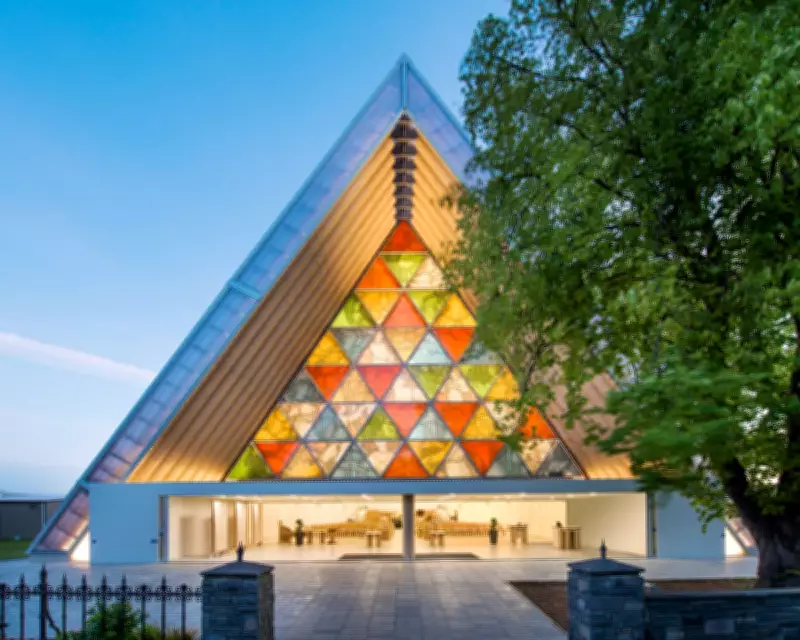
Ban's Cardboard Cathedral in Christchurch, New Zealand, replaced a damaged 19th-century church with soaring A-frame tubes, including a cardboard cross above the altar. Beyond pragmatism, he designs luxury boutiques in Tokyo and a timber distillery in Scotland's Speyside region, showcasing his versatility. However, Ban remains committed to serving both the privileged and those affected by disasters, as seen in his current work rebuilding homes on Japan's Noto Peninsula after the 2024 earthquake.
A Legacy of Waste-Free Innovation
Through his Voluntary Architects' Network, Ban promotes low-cost, recyclable solutions for global crises. His philosophy—"waste not, want not"—drives projects like repurposing timber from Osaka Expo installations for reconstruction. Ban's work proves that architecture can be both beautiful and benevolent, transforming discarded materials into symbols of resilience and hope.