Labour Rebels and Unions Demand Starmer End 'Factional Agenda' Amid Party Turmoil
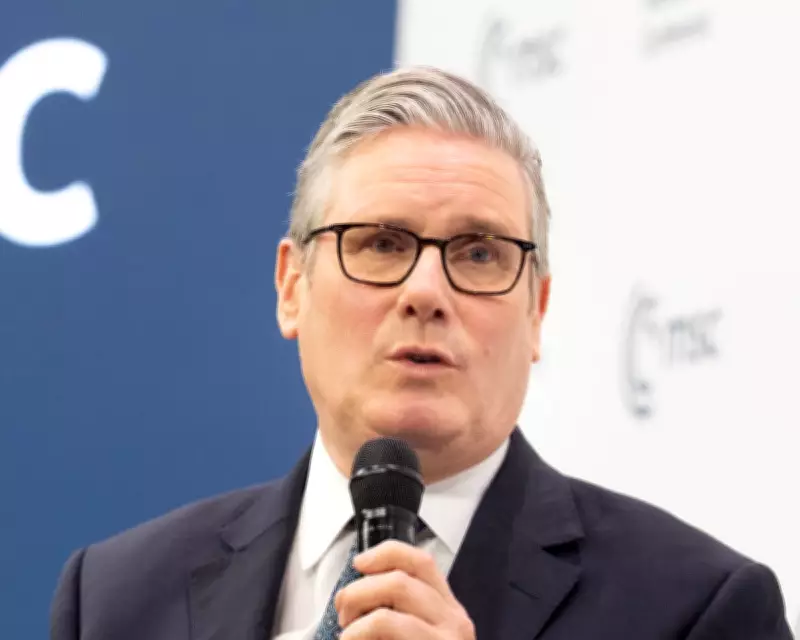
Labour leader Keir Starmer is facing mounting internal pressure as twenty-five rebel MPs and leaders of several major trade unions have jointly called for an immediate end to what they describe as a 'narrow, factional agenda' within the party. The coordinated letter, signed by prominent figures including serial rebels Clive Lewis and Brian Leishman, as well as senior MP John McDonnell, claims this top-down approach is 'increasingly unpopular with the public' and could severely undermine Labour's electoral prospects.
Scandals and Resignations Fuel Discontent
The letter emerges following a particularly turbulent period for Starmer's leadership, marked by controversies over key appointments. His judgment has been questioned over the decision to appoint Peter Mandelson as ambassador to Washington DC, despite Mandelson's past associations with convicted sex offender Jeffrey Epstein. This move prompted the resignation of Starmer's top adviser, Morgan McSweeney, and led Labour's Scottish leader Anas Sarwar to publicly call for Starmer's resignation.
Further scrutiny arose later in the week regarding the appointment of former spin doctor Matthew Doyle to the House of Lords, after it was revealed Doyle had campaigned for a sex offender. These incidents have compounded concerns about leadership decisions and party culture.

'Restore Labour Democracy' Statement Details Grievances
Dubbed the Restore Labour Democracy statement, the letter criticizes the culture within Downing Street and Labour's ruling team, stating: 'It's increasingly clear that a narrow, factional agenda is being imposed upon the party and that this is increasingly unpopular with the public. This approach is wrong in principle and damaging in practice. When the Labour Party sidelines its members, it weakens Labour's roots in our communities, alienates voters, and undermines Labour's ability to win both people's trust and elections.'
The signatories specifically pointed to the candidate selection process for the upcoming Gorton and Denton byelection, where Greater Manchester mayor Andy Burnham was blocked from standing. They argued this reflects a broader pattern of undemocratic practices, including the barring of councillors and withdrawal of the whip from MPs who advocate for their constituents.
Coordinated Criticism from Key Figures
Richard Burgon, Labour MP for Leeds East who helped coordinate the statement, emphasized the urgency of the situation. 'Under Keir Starmer and Morgan McSweeney, there has been a clampdown on the democratic rights of Labour members,' he said. 'This has led to a small clique making out-of-touch decisions that have left the prime minister and the government deeply unpopular – from the mess over winter fuel payments to the appalling decision to make Peter Mandelson the US ambassador. We need an urgent end to this nasty factionalism coming from the top of the party where the views of Labour members and trade unionists are treated with contempt.'
Burgon warned that restoring democracy within Labour is essential to reconnecting with voters and preventing the election of a Trump-style Reform government.
Broad Support from Unions and Campaign Groups
The letter has garnered significant backing from Labour-affiliated organizations. The general secretaries of Unison, Unite, the CWU, the FBU, and Aslef have all signed, alongside campaign groups such as Campaign for Labour Party Democracy, Momentum, the Labour Muslim Network, and Labour Assembly Against Austerity. Starting from Sunday, 15 February – chosen to mark the 120th anniversary of the formal adoption of the name 'The Labour Party' in 1906 – ordinary party members and trade unionists will be able to add their names to the statement.
Labour Party Response
In response to the criticism, a Labour party spokesperson defended the leadership's approach. 'The Labour party is proud to be powered by our brilliant party members as we work to bring about the vital change we were elected to deliver,' the spokesperson stated. 'Our Labour government is delivering for families across the country, including tackling the cost of living, cutting NHS waiting lists and restoring pride in local communities.'

This internal conflict highlights deepening divisions within Labour as Starmer navigates both external political challenges and growing discontent from within his own party ranks.