
Fulton County Accuses FBI of 'Callous Disregard' Over Ballot Seizures in Georgia Election Raid
Lawyers representing Fulton County in federal court have accused the FBI of demonstrating a "callous disregard" for the county's rights during a January raid on election offices. The legal team argued that the agency's affidavit to obtain a search warrant contained significant misrepresentations regarding the 2020 election records.
Legal Battle Over Search Warrant Affidavit
During a Friday hearing at the Richard Russell courthouse in Atlanta, prominent Washington attorney Abbe Lowell, who is representing Fulton County, asserted that the FBI's affidavit failed to demonstrate criminal intent. "The only element that turns the election into a crime is intent, and nothing in the affidavit shows intent," Lowell stated. He further argued that the FBI was pursuing crimes for which the statute of limitations has already expired.
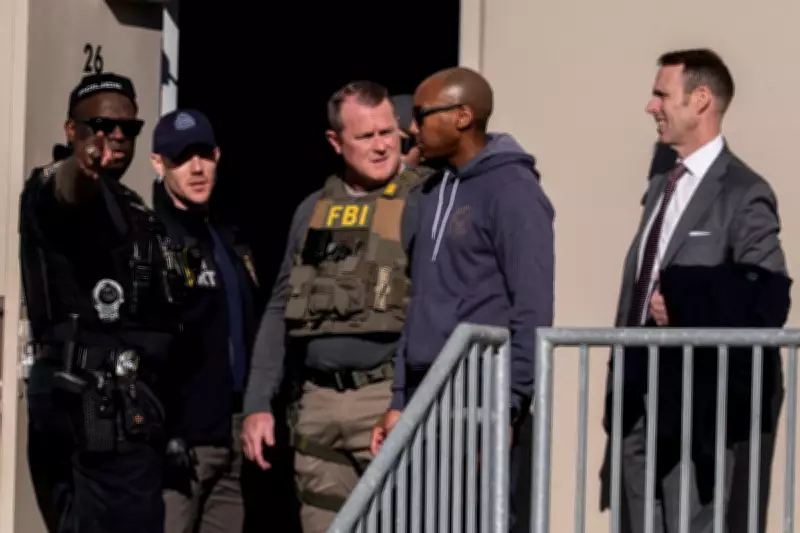
The hearing focused on assertions made by FBI special agent Hugh Raymond Evans in the affidavit that obtained the criminal warrant. On January 28, FBI agents executed the warrant at Fulton County's election offices, seizing approximately 700 boxes of 2020 election documents. This action was part of the Trump administration's broader campaign to challenge the legitimacy of the 2020 election results and cast doubt on upcoming elections.
Questionable Witness Testimony and Evidence
The affidavit relied heavily on claims from 11 witnesses whose testimony has been repeatedly debunked in various courts over the past five years. Lowell highlighted that one witness had been sanctioned twice for lying about election issues, while another had been convicted of secretly recording people in a bathroom.
Election expert and former Fulton County elections adviser Ryan Macias spent 26 minutes explaining how each issue raised in the federal affidavit had been previously addressed in court. He clarified several points:
- The presence of "pristine" unfolded ballots likely resulted from military ballots or spoiled ballots being reconstituted for tabulation
- Double scanning of ballots occurs when paper jams require election workers to restart batch scans
- Witnesses confused interim ballot counts with reported mismatches in final counts
Macias described the evidence in the affidavit as "nonsense," raising questions about whether the FBI agent had a duty to include exculpatory evidence and whether the omission rose to the level of incompetence constituting callous disregard.
Political Context and Judicial Limitations
Lowell noted the political context of the case, quoting former President Donald Trump's statements about Fulton County: "All the crooked ballots were taken. They cheated like dogs." The attorney argued that Trump's public comments demonstrated the government's political bias in the prosecution, stating, "I will take the president of the United States at his word."
The legal proceedings faced limitations when Judge JP Boulee quashed Lowell's subpoena for FBI special agent Evans. The judge expressed concern that Evans' testimony might reveal sensitive information about the underlying criminal case the FBI has purportedly been pursuing related to the warrant.
Justice Department lawyers challenged Macias's testimony, arguing that his assertions about the affidavit's quality were irrelevant to the legal standards establishing probable cause for a warrant. They maintained that Macias's opinions had no bearing on whether the FBI agent acted with bias when seeking the warrant.
Broader Implications and Unanswered Questions
The case raises significant questions about law enforcement procedures during politically sensitive investigations. Notably, the special agent in charge of the Atlanta field office, Paul Brown, resigned from his position approximately one week before agents served the warrant, with no public explanation provided for his departure.
This legal battle continues to unfold as Fulton County seeks the return of its election records, challenging what it characterizes as improper law enforcement actions during a period of heightened political tension surrounding election integrity claims.




