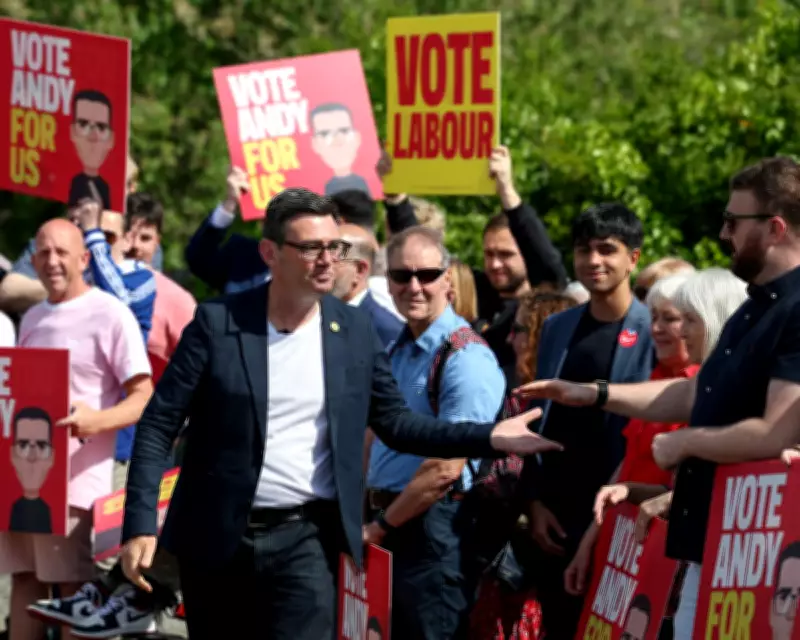
Andy Burnham's potential victory in the Makerfield byelection could offer Labour a second chance to reset its agenda. A leadership contest would allow Burnham and Wes Streeting to advance policies currently sidelined, such as land value tax, wealth tax, eliminating child homelessness, and establishing a national care service. Meanwhile, the government has introduced initiatives like Rachel Reeves's summer economic plan, EU deal acceleration, and online child protection, with Alan Milburn proposing radical solutions for nearly a million NEETs.
Skepticism and Broken Promises
Leadership pledges often face skepticism. Keir Starmer broke promises on tuition fees, common ownership, top income tax, and free movement, though he kept others like workers' rights. Inside government, policies can falter due to economic constraints, rising costs, or external shocks like trade wars. However, Burnham's long-standing commitment to electoral reform sets him apart.
The Case for Proportional Representation
Burnham's pledge to replace first-past-the-post with proportional representation (PR) could reshape British politics. The current system allowed Labour to win 63% of seats with only 34% of the vote in 2024. PR would prevent single-party dominance with a minority mandate and accommodate a multi-party landscape. Polls show majority support for PR, especially to block Nigel Farage from becoming prime minister with under 30% of the vote. Burnham's experience as Greater Manchester mayor, using a supplementary vote system, shows how PR encourages problem-solving over point-scoring.

Path to Reform
Burnham proposes a national commission, led by an expert like Sir John Curtice, to quickly select a PR system based on past work. A new manifesto would legitimize the reform, and a prompt election would capitalize on a short honeymoon. He would maintain fiscal discipline but leave EU relations flexible, potentially exploring a customs union or single market alignment.
Cleansing Politics of Money
Electoral reform must be paired with campaign finance cleanup. Farage's acceptance of large donations and side income from crypto interests has eroded trust. The Guardian reported that Christopher Harborne gave Farage £5 million personally, while Reform UK proposed a crypto-friendly bill. Such practices, though possibly legal, undermine integrity. PR and stricter finance rules could lure back Liberal Democrat and Green voters, fostering coalitions against the right bloc.
Burnham may not be a messiah, but he offers a viable route to fix Britain's broken politics. The Makerfield byelection is a pivotal moment.