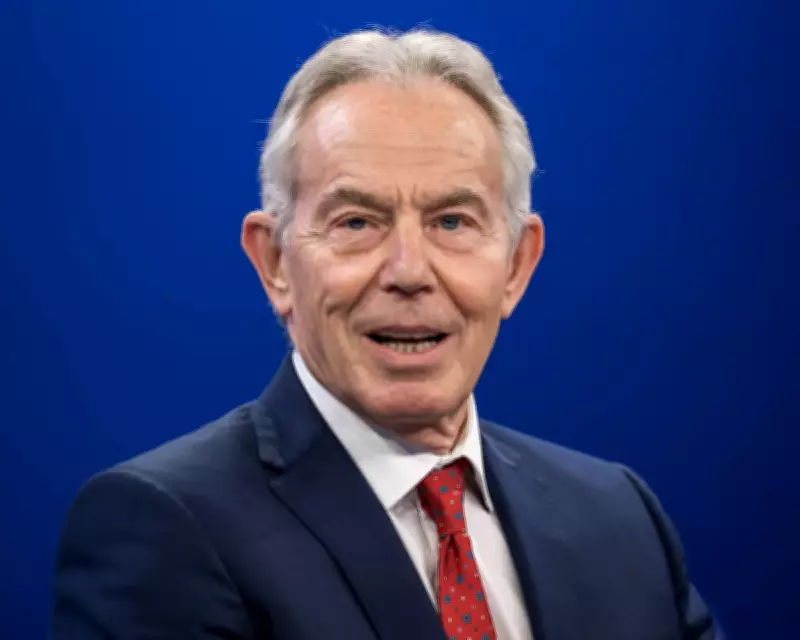
Former Prime Minister Tony Blair published a lengthy essay on Labour and the future of the UK on Tuesday, sparking debate over his relevance and credibility within the party. David Blunkett, a former Labour cabinet minister, expressed skepticism about Blair's advice, noting that while they remain friendly, Blair's intervention may be unhelpful.
Blair's Essay and Its Reception
Blair's essay, exceeding 5,700 words, urged Labour to embrace artificial intelligence, cut red tape, and maintain close ties with the White House, while also engaging with China and the Middle East. He criticized the Starmer government for increasing national insurance on business and raising the national minimum wage, calling for Labour to move beyond its soft-left comfort zone.
However, Blunkett argued that Blair's analysis misses the need to support people through technological change. "The challenge is what the future should look like not just for big tech giants but for those turning to Farage," he said. Blunkett compared Reform UK to Luddites trying to stop progress.

Mixed Reactions Within Labour
Some Labour figures, like John Hutton, praised Blair's intervention as timely and persuasive. But others, including MP Mark McVitie, director of the Labour Growth Group, criticized Blair's high-handed approach and noted that his proposals, including an energy strategy of "drill, baby, drill," risk alienating voters.
Luke Tryl of More in Common highlighted that only 34% of the public think the government should listen to Blair, partly due to Iraq and his post-politics wealth. Professor Tim Bale suggested Blair appears "stuck in his glory days" and irrelevant, with Labour members more likely to heed advice from Neil Kinnock.
Blair's Global Role vs Domestic Credibility
Blair's Tony Blair Institute advises 40 countries, and he serves on Trump's Board of Peace. Yet domestically, his influence wanes. Blunkett noted that Blair's connections are with big tech, while Andy Burnham connects with ordinary people. "If they could sit down, they could probably work out a programme," Blunkett said.
Blair was once the future, but today his role in Labour's direction remains contentious.