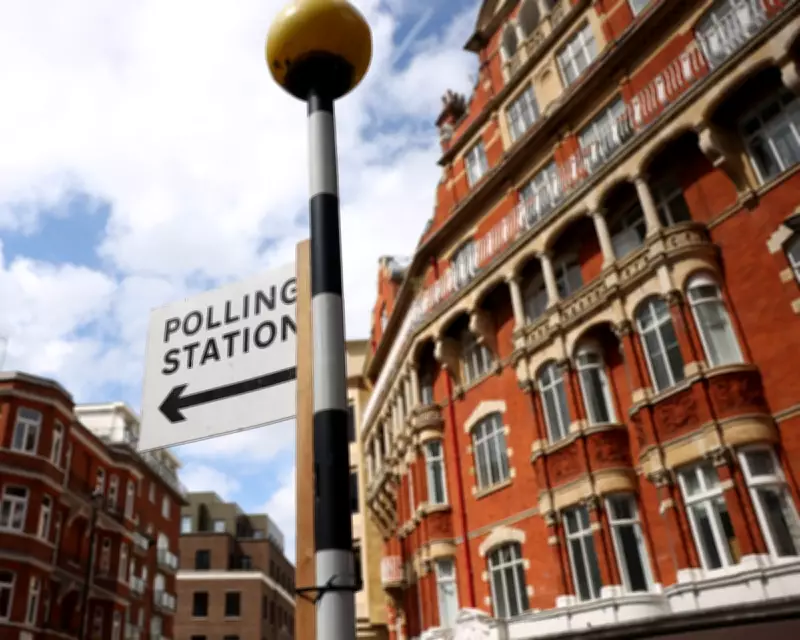
The upcoming local and devolved elections in Britain are set to showcase a deeply fragmented political landscape, yet the electoral systems used to translate votes into seats remain outdated. While some results can be forecast with confidence, none can be predicted with precision. Labour is expected to face a torrid time across the country, while Reform UK is likely to continue its recent surge. The Greens are poised to make significant gains in parts of London, and Plaid Cymru anticipates a breakthrough in Wales. These trends could produce a wide spectrum of outcomes in terms of seats on councils and in the Scottish and Welsh parliaments, largely depending on how tight, multi-party races are filtered through different electoral models.
The Flawed First-Past-the-Post System
The first-past-the-post model used for local authority elections in England is ill-suited to the realities of multiparty politics. Even in the era when political competition was defined by the rivalry between Labour and the Conservatives, this system was flawed. Smaller parties were systematically locked out, and too many voters felt their ballots counted for nothing in safe seats. However, the perversity becomes even more pronounced when four or five parties each command poll ratings somewhere between the high teens and high twenties. In such a scenario, the threshold for victory drops dramatically. The winning candidate may be opposed by a clear majority of voters. Last year's local elections saw the average winner's vote share fall to 40.7%, the lowest on record, with approximately 75 candidates elected on vote shares lower than 30%.
Alternative Systems in Scotland and Wales
Scottish councils, which are not up for election this year, address this problem by using the single transferable vote system. Voters rank candidates in order of preference, and seats are awarded by eliminating the least popular candidates. The devolved parliaments in Edinburgh and Cardiff are elected on different systems, each designed to express the balance of opinion more fairly. However, neither is flawless. In Scotland, the combination of constituency ballots and regional top-up lists creates different categories of MSPs and introduces a layer of complexity that turns tactical voting into a game of second-guessing how parallel ballots might play out.

The Welsh Senedd will this year trial a new closed proportional list system. Voters choose a party, represented on the ballot paper by a bloc of candidates. Seats are then allocated on a proportional basis within large, six-member constituencies. In theory, this ensures a broadly representative chamber, although it could exclude a party that wins a modest but not tiny vote share. It also sets a prohibitive threshold for independents and prevents voters from rewarding an exceptional individual candidate from a party they would otherwise not endorse.
The Need for Electoral Reform
No electoral system is perfect. Fairness can be variously defined as a balance between proportionality and constituency link. The relative merits of the different models in operation this week are unlikely to be a prominent feature of post-election debate. Attention will naturally focus on Labour's collapse, Plaid Cymru and Reform UK potentially dominating in Wales, and the Scottish National Party defying gravity to retain power in Scotland—rather than the psephological mechanics that generate these outcomes. However, there must come a time to address how Britain's fragmented political allegiances can best be turned into fair parliamentary representation. The current arrangement is plainly unsuitable. In 2024, Labour won a huge Commons majority with barely more than a third of national votes cast. It was a brittle kind of victory. The result of the next election could look downright perverse if the current trend of close, multiparty competition is sustained. The contours of politics are in flux, and an electoral system that appears incapable of reflecting that change undermines the integrity of British democracy.