Britain will have to “dial back” on military operations and exercises in the next few years if the Ministry of Defence (MoD) does not receive extra funding from Downing Street and the Treasury, the UK’s most senior military officer has said.
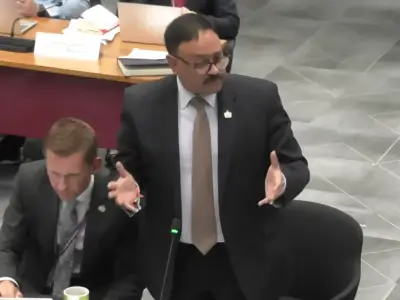
Rich Knighton, the chief of the defence staff, told a Lords committee that he was “most concerned” about the budgets for day-to-day activities – in his first public appearance after the resignation of John Healey as defence secretary last week.
The air chief marshal was asked by George Robertson, the chair of the Lords international relations and defence committee, what the “capability implications” were of No 10’s proposal to increase defence budgets by 2.68% of GDP by 2030.

“We’ll have to dial back our activities; our exercise, operational activity, if the level of resource funding that is available to us does not increase,” Knighton said, in effect referring to military activity in Europe, Ukraine and the Middle East.
Though he did not refer to any operations by name, the UK has offered to lead a peacekeeping mission in the strait of Hormuz, if the US-Iran ceasefire is durable, and a possible mission in Ukraine if Russia halts its invasion.
Though capital budgets for defence had increased significantly, Knighton said day-to-day or revenue spending had not. “If you look back at the position 20 years ago, the split between resource spending and capital spending was about 80/20.
“Today it is about 60/40 – 60% on activity and resources, and 40% on capital. On the current projection, by the time we get to 2030 it will be 50/50,” Knighton said, while key costs such as for aviation fuel had soared after the US launched its conflict with Iran.
Healey quit last Thursday because the prime minister, Keir Starmer, would not increase defence spending beyond an already agreed 2.6% of GDP by 2027 to 3% by 2030. Starmer’s offer of 2.68% would leave the UK less safe, Healey said.
The former defence minister was giving a resignation statement in the Commons on Tuesday, while Starmer was in France at the G7 leaders summit. Healey was also unhappy that the UK would end the decade a long way from a Nato spending target of 3.5% of GDP by 2035, agreed by the prime minister a year ago.
Knighton emphasised the importance of the longer-term Nato target. “Nato and our allies agree that spending 3.5% of national GDP on defence is what is necessary to deliver the Nato capability targets,” he told peers on Tuesday morning.
Concern about the level of future day-to-day budgets is a notable shift of emphasis from the funding of the 10-year defence investment plan. The plan had been due to be published on Monday but its release was halted when Healey resigned.