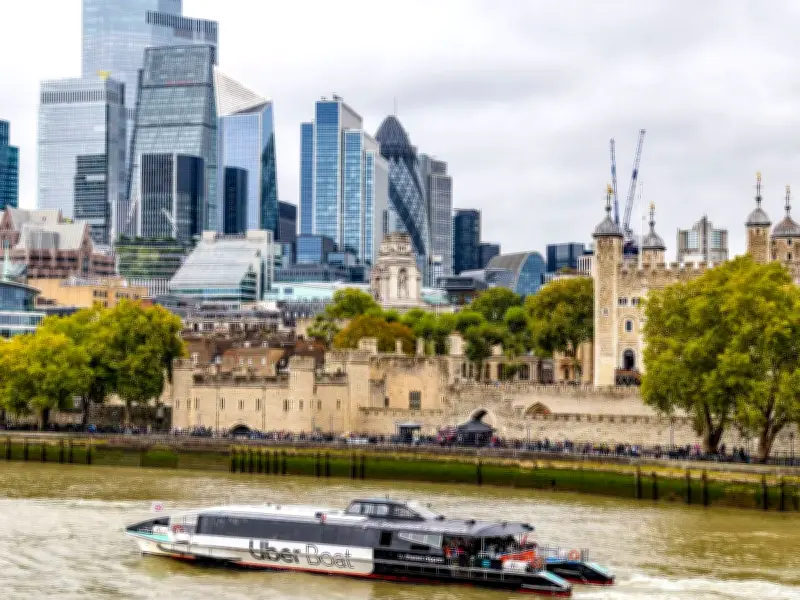
The Tower of London could be placed on UNESCO's List of World Heritage in Danger unless the City of London Corporation amends its draft local plan, according to a warning from Historic England. The government advisory body has expressed "serious concern" about the impact of potential future skyscrapers in the eastern part of the Square Mile on the famous citadel, which lies just across the border in Tower Hamlets.
Historic England seeks changes to protect World Heritage Site
Historic England is requesting modifications to the Corporation's draft City Plan 2040, specifically to proposed contours that outline where new developments may be permitted near the Tower. The body argues that its alternative contours, which allow for more space between the Tower and the City Cluster, would better protect the World Heritage Site (WHS) without hindering the Corporation's economic growth targets.
The draft plan has been in development for years, with hearings led by Inspectors Alastair Phillips and Jameson Bridgwater concluding last summer. However, adoption was delayed in June when Housing Minister Matthew Pennycook wrote to the Inspectors, directing them to consider the alternative contours proposed by Historic England.
Minister intervenes over heritage concerns
In his letter, Mr Pennycook acknowledged the "commendable efforts" made to assess heritage impacts but instructed the Inspectors to halt publication of their report and arrange further hearings. This followed a recent decision by UNESCO's World Heritage Committee expressing concern about risks to the Tower, with a report requested from the UK Government by February 2027 and a warning that the site could be added to the danger list.
Historic England's written statement, submitted ahead of the September 2 hearing, said: "Historic England's position is that its proposals better support the continued conservation of the Tower of London as a WHS. Our proposal would not prevent the City from achieving its office floorspace requirement. Given the impacts on OUV, our alternative proposal is justified and is the minimum response necessary within the context of this World Heritage Site."
Corporation defends its contours as economically vital
The Corporation countered that Historic England's proposed contours would make little difference to heritage protection while limiting potential office space and jobs. Its statement argued: "The heritage impacts of the two approaches on the WHS are not materially different, and the contours proposed by HE would not materially improve the protection of the Tower of London's WHS. They would, however, unduly restrict economic growth, as they would lead to significant financial and economic consequences for activity, output and financial receipts within the Square Mile (and beyond)."
Deputy Chris Hayward, the Corporation's Policy Chairman, told the Inspectors the Minister's direction had already stalled schemes and affected investor confidence. "We made no secret of our frustration at the delay," he said. "Uncertainty in the planning system is a drag on economic growth, investment and infrastructure delivery. In the City, where schemes are complex, constrained and require significant upfront investment, that doubt is especially damaging."
Legal arguments and stakeholder positions
Ben Du Feu, a barrister representing Historic England, said the body remains concerned about risks posed by the Corporation's contours, noting it would be "hard to resist" future developments within its rings. He referenced the UNESCO decision, saying: "We say that the decision is therefore clear that the Tower of London is at risk of being listed on the List of World Heritage in Danger." He added that Historic England's contours would create "a more deferential relationship between the Tower and the City Cluster" without preventing the Corporation from meeting its target of 1.2 million additional square feet of office space by 2040.
The refusal of a 43-storey block at Bury House in December 2024 was also cited, with Mr Du Feu noting the Corporation's decision raised many of the same concerns as Historic England. The City Property Association and consultancy DP9, on behalf of BNPP Asset Management behind a scheme at 63 St Mary Axe, discussed potential impacts on jobs and economic growth.
Tower Hamlets Council representatives said Historic England's contours would reduce potential harm but believed the Corporation's proposal is sufficient given other safeguards in the draft plan. Melissa Hamnett, Palaces and Collections Director at Historic Royal Palaces, supported the heritage body, telling the Inspectors the revised contours would be "a clear and credible demonstration to UNESCO that those concerns are being seriously and reflected in the Plan." Dr Helen Woodhouse of Historic England added: "UNESCO clearly said, most recently in the Committee decision from this summer, that it is not enough as currently proposed."
The Inspectors will now prepare a letter to the Corporation, to be signed by the Housing Minister, which will trigger the next stage of proceedings.