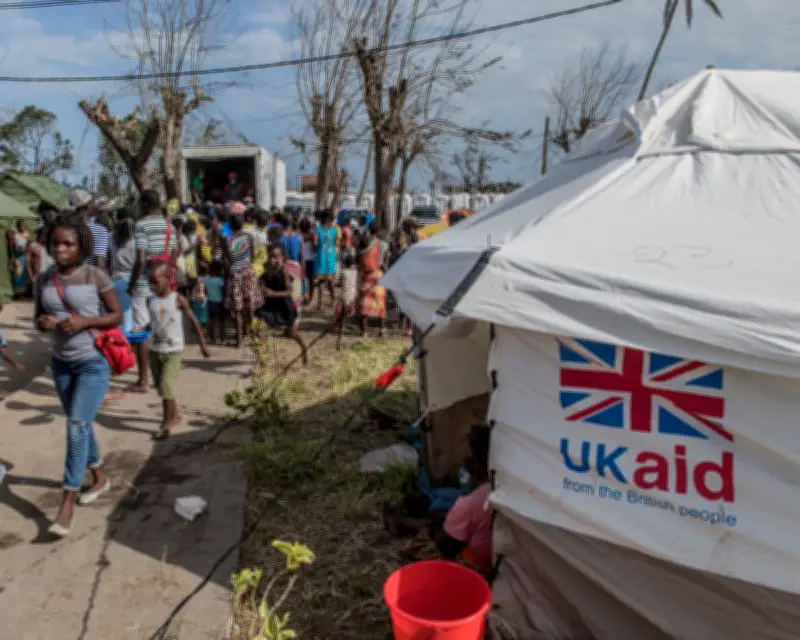
UK aid cuts will result in reductions of up to 90% in bilateral support to some African countries, according to Foreign Office figures. The department's annual report provides a long-awaited breakdown of how the aid budget reduction will affect individual countries over the next three years.
Impact on African nations
Analysis by Bond, the umbrella group for development charities, reveals cuts of 90% for Mozambique and Malawi by 2029, 80% for Rwanda and Sierra Leone, and 49% for Somalia. Bond's chief executive, Romilly Greenhill, said: “By slashing UK aid funding to countries like Ethiopia, Malawi, Mozambique, Rwanda, Sierra Leone and Uganda, this Labour government is abandoning communities on the frontlines of conflict and the climate crisis and risks plunging these countries’ populations into poverty and instability.”
Government rationale
Prime Minister Keir Starmer's government announced deep reductions to overseas aid spending last year to fund increases in the defence budget, prompting the resignation of Anneliese Dodds as development minister. Part of Labour's approach has been to shift focus to funding multilateral donors such as the World Bank, which it argues is a more efficient use of straitened resources.

In a written statement to parliament in March, Foreign Secretary Yvette Cooper explained: “In a range of countries, we will transition away from spending high levels of grant ODA [overseas development assistance], but our ambition and effort will remain high – delivering through modernised partnerships, and making the most of what the UK has to offer.”
Charities' concerns
Charities say the scale of reduction in direct support to individual countries will jeopardise vital projects. The director of global outcomes at Save the Children, Lisa Wise, said: “Today’s international budget allocations reflect what we already know – reductions in public investment in countries and children that need it most. These choices send a global message about the role the UK wants to play on the international stage.”
The next steps for Labour's development policy will fall to the incoming prime minister Andy Burnham's pick for foreign secretary. Current energy secretary Ed Miliband is seen as a likely contender. Some MPs have urged Burnham to restore the party's leadership on development, including setting a path back towards the target of spending 0.7% of national income on overseas aid.
Future role
The UK takes on the chair of the G20 next year, which includes China, India, and Brazil alongside wealthy countries. Greenhill urged the new PM and foreign secretary to use that role “to champion the global reforms needed to address poverty and inequality among the world’s marginalised communities”.
Development Minister Jenny Chapman said: “The world has changed. Crises in one part of the world now affect us all. Just this year, conflict in the Middle East has driven up food and fertiliser costs and the Ebola outbreak that began in the DRC is an urgent reminder why global health security matters. We’re not turning away from these challenges. We’re making every pound of UK development spending work harder, for people facing the toughest crises and for taxpayers at home.”