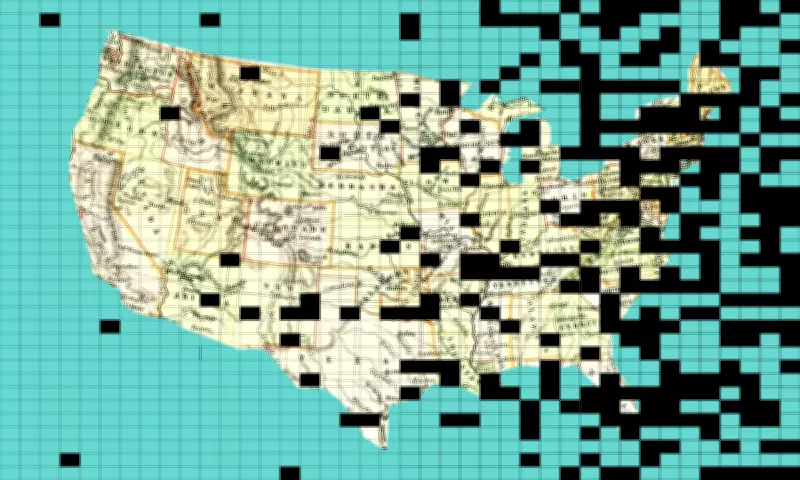
The Trump administration is systematically deleting and altering decades of federal datasets, affecting everything from chemical plant locations to infant mortality tracking. Experts warn this censorship will have lasting impacts on American lives.
1. Hazardous Chemical Facilities: Public Access Removed
Until last year, the EPA's Risk Management Program (RMP) allowed residents to search for nearby facilities storing hazardous chemicals. The Trump administration removed this online tool in April, forcing residents to visit reading rooms for paper records. This disproportionately affects Latino, Black, and low-income communities living near chemical plants. Maya Nye of Coming Clean stated, "You have a right to know what's in your back yard." The deletion comes as chemical accidents continue at a rate of one every two days.
2. Infant Mortality Tracking Stopped
The Pregnancy Risk Assessment Monitoring System (PRAMS), the nation's most comprehensive survey on maternal and infant health, is now inaccessible after the Trump administration dismissed most CDC reproductive health staff. States like Mississippi, with the highest infant mortality rate, can no longer use this data to secure funding for prenatal care. Harvard's Rita Hamad called the loss "mind-boggling."

3. Food Insecurity Survey Eliminated
The USDA terminated the Food Security Supplement to the Current Population Survey (CPS-FSS), the gold standard for measuring hunger. The final survey showed nearly one in seven US households food insecure. With cuts to SNAP benefits, experts say understanding the impact is now impossible. Marion Nestle of NYU commented, "If you don't measure it, it's not there."
4. Trans Youth Data Erased
The Youth Risk Behavior Survey (YRBS) removed questions about gender identity, despite over half of trans youth considering suicide. At least 360 federal data collections have eliminated such questions. Elana Redfield of the Williams Institute called the process "unprecedented and extreme."
5. Climate Disaster Database Frozen
NOAA's Billion-Dollar Weather and Climate Disasters database, used for insurance pricing and risk models, will no longer be updated. This could lead to higher insurance costs and reduced coverage in disaster-prone states. David Blades of AM Best warned of "less accurate" pricing.
These deletions affect tools, surveys, and staff that helped Americans understand and address critical issues. Denice Ross, former US chief data scientist, said, "When data disappears, our lives will get harder."