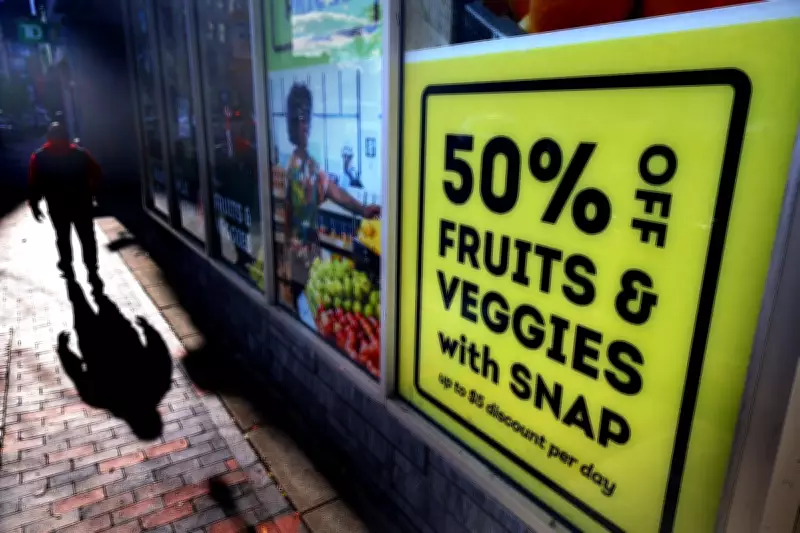
The Trump administration has unveiled a proposal to drastically reduce funding for the Supplemental Nutrition Assistance Program (SNAP), formerly known as food stamps, affecting millions of low-income households across the United States. The plan, which has drawn sharp criticism from Democrats and anti-hunger advocates, aims to tighten eligibility requirements and reduce federal spending on the program.
Key Provisions of the Proposal
The proposed changes include stricter work requirements for able-bodied adults without dependents, limiting automatic eligibility for other assistance programs, and capping benefits to prevent increases during economic downturns. According to administration officials, these measures are intended to encourage self-sufficiency and reduce the federal deficit.
Impact on Beneficiaries
If implemented, an estimated 3 million people could lose access to SNAP benefits, while many others would see reduced assistance. The Congressional Budget Office projects that the cuts would save approximately $30 billion over the next decade. However, critics argue that the savings come at the expense of vulnerable populations, including children, elderly individuals, and people with disabilities.

Reactions from Lawmakers and Advocates
House Speaker Nancy Pelosi condemned the proposal, stating that it would "hurt working families and deepen hunger in America." Senator Bernie Sanders called it "an attack on the most vulnerable among us." Conversely, some conservative lawmakers praised the plan as a necessary step toward fiscal responsibility and welfare reform.
Historical Context
SNAP has long been a target for budget cuts by Republican administrations. During his first term, President Trump previously attempted to tighten work requirements and restrict states' flexibility in administering the program. The current proposal builds on those efforts, reflecting a continued focus on reducing the size of the social safety net.
As the debate unfolds, food banks and nonprofit organizations are preparing for a potential surge in demand. The proposal faces an uncertain path in Congress, where it is expected to encounter strong opposition from Democrats and some moderate Republicans.