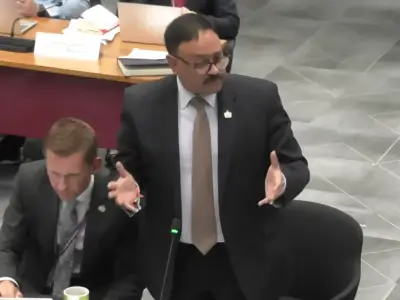
Sunak Advocates for Accelerated Deregulation to Stimulate Economic Growth
Rishi Sunak has publicly urged Chancellor Rachel Reeves to intensify and expedite deregulation efforts as a critical strategy to revive economic growth. This call comes amid mounting pressure from eight former UK energy ministers who are pushing the government to reassess its stance on North Sea oil and gas production.
Sunak's Critique of Regulatory Balance
In a recent Sunday Times column, the former prime minister acknowledged Reeves for delivering a Spring Statement that avoided the "orgy of speculation" typical of previous fiscal events. He noted that by restoring fiscal headroom, she has stabilized markets and prevented weeks of disruptive tax leak discussions. However, Sunak emphasized that caution alone is insufficient for economic recovery.
With Labour backbench resistance limiting opportunities for spending restraint or tax reform, Sunak identified deregulation as the "most obvious" remaining lever to pull. While Reeves has already directed regulators to prioritize growth, Sunak warned against oversimplifying reform as merely cutting red tape. He wrote, "Regulation is a trade-off between pro-growth market efficiency and protecting things that the market alone would not."

Sunak specifically highlighted environmental rules and planning constraints, arguing that the current balance has shifted too far toward caution. He contends this imbalance is hampering housebuilding and infrastructure development at a time when economic momentum remains fragile. "We need to be honest and state clearly that proper deregulation will require some difficult choices," he added.
Former Energy Ministers Challenge North Sea Restrictions
Sunak's intervention coincides with growing scrutiny of the government's energy policy. A cross-party group of eight former energy ministers, including former Conservative energy secretary Amber Rudd and former Labour business and energy secretary Lord John Hutton, has written to Prime Minister Keir Starmer expressing concerns that current restrictions on North Sea production are compromising energy security.
The group argues that the decline in domestic oil and gas output is driven more by policy decisions than geological factors. They have urged ministers to terminate the energy profits levy earlier and lift the ban on new exploration licences. Additionally, they advocate for approving the Rosebank and Jackdaw oil and gasfields, projects previously supported by the Conservatives but blocked following legal challenges over climate impact assessments.
Former Tory energy minister Charles Hendry told the Financial Times that restricting new drilling would "only increase our energy imports," noting that the UK still relies on oil and gas for approximately 75 percent of its total energy needs. Labour ministers, however, maintain that the North Sea is in long-term decline and that future security depends on accelerating renewable energy and carbon capture technologies.
Broader Implications for Energy and Economy
Ed Miliband has stated that expanding drilling would not significantly reduce household bills because prices are set on global markets. Nevertheless, tighter licensing rules and extended windfall taxes risk deterring investment, increasing dependence on imports, and undermining jobs in energy-producing regions. This debate underscores the ongoing tension between economic growth objectives and environmental sustainability goals in UK policy-making.