
US Senate Votes to Repeal Biden-Era Ban on Mining Near Minnesota Wilderness Area
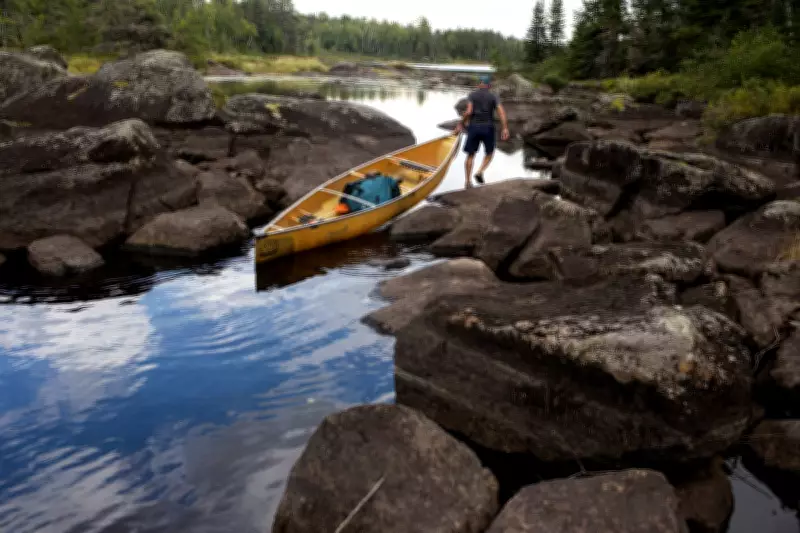
The US Senate narrowly passed a resolution on Thursday to overturn a ban on mining near Minnesota's Boundary Waters Canoe Area Wilderness, an expansive network of interconnected lakes, rivers, and forests that ranks among the most visited wild areas in the United States. The measure passed with a vote of 50-49, repealing a 20-year moratorium imposed by former President Joe Biden's administration in 2023 across 225,000 acres in the Superior National Forest.
Political Divide and Environmental Concerns
The House had already approved the resolution, and it will now proceed to Donald Trump, who is expected to sign it into law. This decision represents a significant victory for Twin Metals Minnesota, a subsidiary of the Chilean mining giant Antofagasta PLC, which aims to construct a copper and nickel mine just a few miles from the Boundary Waters. For years, environmental and conservation organizations have vehemently opposed mining in the region, warning of potential contamination and pollution that could harm this pristine ecosystem.
During the Senate debate, Tina Smith, a Democratic senator from Minnesota, spoke out against the resolution, arguing that it would "green light exposure of this national treasure to the highly toxic and destructive impacts of sulfide or copper mining." She further criticized the measure as "the opposite of 'America first'," noting that the mining company is foreign-owned, plans to use Chinese state-owned smelters, and intends to sell the extracted metals on the open market.
Bipartisan Opposition and Company Response
Two Republicans, Senators Susan Collins of Maine and Thom Tillis of North Carolina, joined Democrats in voting against the measure. Senator Josh Hawley, a Republican from Missouri, did not participate in the vote, according to reports from the Hill. Following the vote, Senator Smith encouraged her supporters, stating, "Do not lose hope. This fight is not over. We should all be so proud of the coalition we built to fight this."
Twin Metals Minnesota did not immediately respond to requests for comment, but a company spokesperson described the Senate vote to the Washington Post as "a critical moment for our nation's ability to strengthen our mineral supply chains." The spokesperson emphasized that the company is focused on "responsibly mining" the area and noted that any proposed project must undergo a lengthy, multi-agency regulatory review before receiving permits. Lifting the moratorium, they argued, restores this process, requiring projects to meet stringent environmental standards in Minnesota. The company also highlighted that the project could bring hundreds of jobs to the local economy.
Environmental Advocacy and Future Challenges
Environmental advocates strongly condemned the Senate's decision. Ingrid Lyons, executive director of Save the Boundary Waters, called it a "dark day for America's most beloved Wilderness area" and a "stark warning call for public lands nationwide." She asserted that Minnesotans and the broader American public have consistently demanded protection for this iconic place, but their voices were ignored in the vote. Lyons vowed to continue the fight, stating, "It's not over, and we will always keep fighting."
According to the New York Times, while the Senate vote increases the likelihood that Twin Metals Minnesota will proceed with the mine, the project still faces significant obstacles. These include anticipated legal battles and the need to secure federal leases and state permits, indicating that the controversy over mining near the Boundary Waters is far from resolved.




