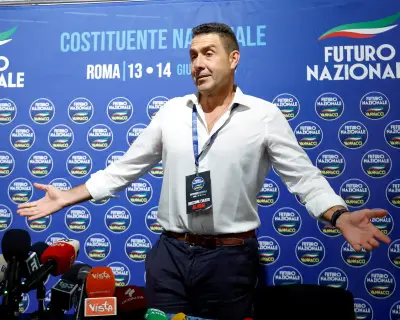
Graham Platner's failed Senate campaign in Maine, which ended with his suspension on Wednesday night after a rape accusation, has sparked introspection among progressives about how they choose candidates. The disaster highlights a rift between disciplined, strategic approaches—exemplified by New York's Zohran Mamdani—and a reliance on charisma and outsider appeal that can backfire.
Mamdani's Strategic Wins in New York
Two weeks ago, New York's Democratic primaries showcased a different model. Zohran Mamdani, a state assemblyman, devoted significant time and resources to backing winners in three races. He reversed a promise to support incumbent Adriano Espaillat, instead endorsing activist Darializa Avila Chevalier. He supported Claire Valdez, a relatively unknown assemblywoman, over the Brooklyn borough president Antonio Reynoso, despite opposition from the Working Families Party and major unions. Mamdani also pushed potential challengers out of races, including councilwoman Alexa Avilés and councilman Chi Ossé. His slate succeeded through careful political calculus and intentional candidate selection.
Platner's Flawed Recruitment Process
In contrast, Platner's rise was built on a rushed vetting process. Last summer, national progressive operatives, working with local activists and labor groups, saw footage of Platner speaking against a salmon farm and decided he was the candidate to challenge 29-year incumbent Susan Collins. He underwent a discounted vetting without a full research book or candidate questionnaire. A viral ad showing him boating and chopping wood, with progressive rhetoric and rock music, introduced him to voters. Bernie Sanders endorsed him 10 days later, and within a month, the campaign raised over $3 million. Platner won the primary after Governor Janet Mills dropped out, but his campaign was plagued by scandals, culminating in a rape accusation.

Lessons for Progressive Electoral Future
According to Osita Nwanevu, a Guardian US columnist, Platner's candidacy was an unforced error. The disaster offers progressives a choice: adopt discipline and circumspection to win reliably, or continue fielding candidates based on vibes alone. Platner's strategist Dan Moraff compared him to Barack Obama, reflecting a generation shaped by Obama's 2008 upset and Trump's 2016 win, where outsider candidates with charisma and change messages disrupted establishments. While this approach has succeeded—Mamdani is an example—it has also produced many failed primary challenges.
The Limits of Outsider Appeal
Platner's liabilities included a Nazi tattoo, comments about enjoying combat in Iraq, and remarks about women. His boosters argued these were strengths. Moraff told the Wall Street Journal that candidates like Platner offer voters something they've been starving for: someone who will fight for them, not someone dreaming of power since middle school. Progressive commentator Matt Stoller called Platner's rise a rejection of Democratic HR lady politics. Journalist Ken Klippenstein mocked the desire for an asexual, Harvard-educated McKinsey consultant candidate. However, there is little evidence Platner connected with Maine's general electorate more deeply than an ordinary Democrat. Polls showed him down 15-20 points among voters without college degrees, including 25 points behind among white men without degrees.
Misconceptions About Candidate Relatability
The assumption that working-class voters prefer candidates with rough edges over those with fancy educations is shaky. Bernie Sanders, a Harvard-educated politician for decades, has built a coalition including millions of working-class Americans. Donald Trump, a billionaire germaphobe with lavish taste, has earned loyalty from white working-class voters despite being one of the least relatable candidates. However, polls show his scandals hurt his standing with most Americans, and conventional Republicans would likely outperform him. Most Americans still hold candidates to high standards of personal conduct, as candidates apply for jobs affecting millions of lives.

Building Power Brick by Brick
Nwanevu argues that progressives must build power carefully, not rely on catching lightning in a bottle. Establishment figures are already hoping to replace Platner with a less progressive candidate and use the moment to discredit the left. The left needs to run the strongest candidates possible in the most promising races, avoiding unforced errors like Platner's candidacy.