
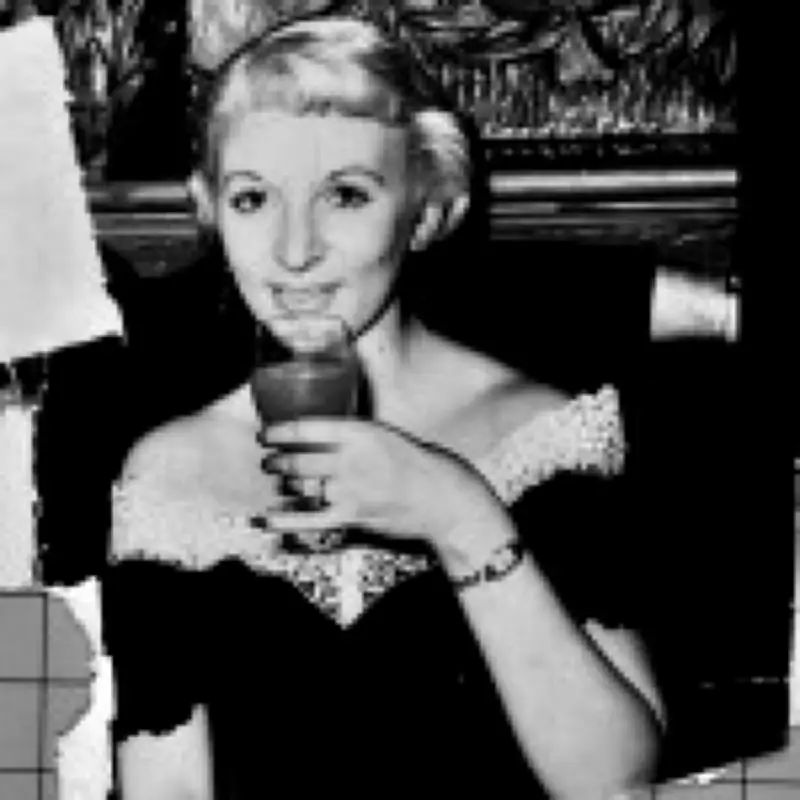
The family of Ruth Ellis, the last woman to be hanged in Britain, said 'justice has finally been done' after it was announced she will be given a posthumous conditional pardon. Nightclub hostess Ruth Ellis went to the gallows in July 1955, three months after shooting dead David Blakely. The mother-of-two, aged 28, was convicted after jurors deliberated for just 15 minutes. She never disputed shooting Blakely at The Magdala Pub in Hampstead, north London, but evidence she was 'badly treated by her lover' was never heard at the trial, her family said.
Justice Secretary announces pardon in Commons
Justice Secretary David Lammy told the House of Commons: 'I have the honour to say that His Majesty the King has accepted our advice to grant Ruth Ellis a conditional pardon, the last woman to be hanged in the United Kingdom. While the pardon does not claim she was innocent of killing David Blakely, it replaces the death penalty with a sentence of life imprisonment to recognise a profound injustice in this exceptional case.' Mr Lammy said Ellis's grandchildren Laura Enston and Stephen Beard were in Parliament to see him make the announcement.
Family's reaction: 'Justice has finally been done'
Ms Enston said of the news: 'Today, justice has finally been done for our grandmother, Ruth Ellis – the last woman to be hanged in England in 1955. This pardon does not undo what happened 71 years ago. It does not restore the lives that were broken – the children left behind, the years lost. But it says, formally and finally, that Ruth should not have been executed; that the justice system failed her. That acknowledgement matters profoundly to our family.' She added: 'Ruth was a victim of sustained and brutal abuse. Her children – our mother and uncle – never recovered. My uncle took his own life; my mother's trauma left her unable to be the parent we needed. The shadow of Ruth's execution has fallen across two generations. We have carried shame that was never ours to bear.'
Domestic abuse evidence withheld at trial
In their application, Ellis's grandchildren claimed her responsibility for the killing was profoundly shaped by domestic abuse, trauma and circumstances that were never properly recognised at her trial. Under modern law, she could possibly have argued the partial defences of loss of control or diminished responsibility, reducing the conviction from murder to manslaughter. The Ministry of Justice said the pardon posthumously replacing her sentence with one of life imprisonment is 'an act of mercy recognising the historic injustice of the death penalty in this exceptional case'. Speaking to Metro as she launched her appeal, Ms Enston said withheld evidence now makes it clear her gran's 'punishment did not fit the crime'. She continued: 'There is plenty of evidence – there are medical records, there are accounts of her turning up at hospital in a wheelchair. There's lots of evidence to prove the abuse. All of this stuff was never explored at the trial.'
Ellis's story remains relevant today
Ms Enston added: 'I now view Ruth as remarkable. She had no education but carved a career for herself and achieved so much. She was abused by every significant man in her life, even her own father. She was ultimately put on trial for what she represented – she managed a club in Knightsbridge, was an active, single parent who came from nothing. The narrative around the case was, "Working-class woman traps upper-class gentleman". But he (Blakely) was no gentleman. He was sponging off her. She was let down by the system. Her story is a blot on Britain's consciousness. We won't rest until it is changed. The issues we're discussing happened 70 years ago but remain relevant to today.'
Government acknowledges historic injustice
Mr Lammy said: 'For 70 years, the family of Ruth Ellis have fought for her story to be heard. We cannot change what happened seventy years ago. But we can recognise that this was an exceptional case. Today's conditional pardon is an act of mercy. We hope it brings some measure of peace to Ruth's family.' Minister for Victims and Tackling Violence Against Women and Girls Catherine Atkinson said: 'For seventy years, Ruth Ellis's family have carried the weight of what happened to her. Today we recognise the exceptional circumstances surrounding her case and the impact they had on her life. I want to thank her grandchildren for their determination in bringing this case forward, and for making sure her story was finally heard.'




