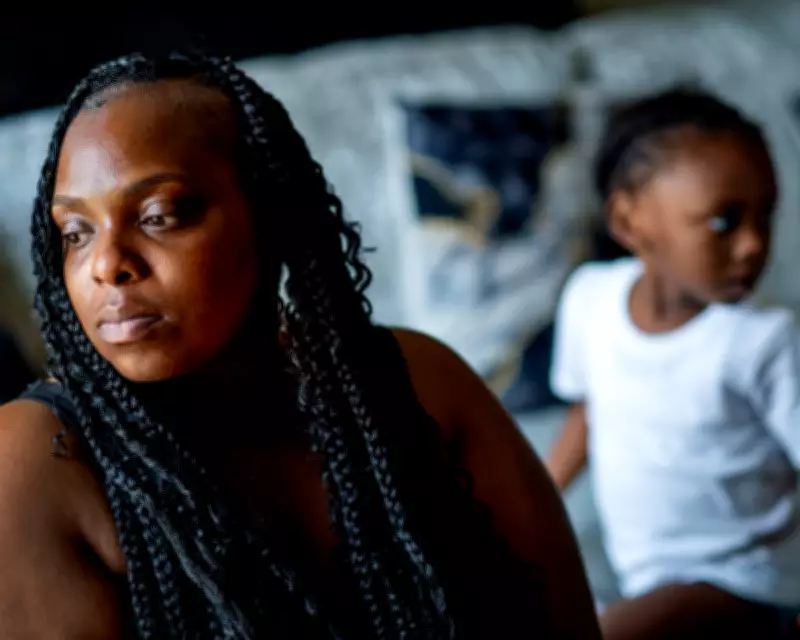
Oregon's public defense system is in crisis, with thousands of defendants waiting months for legal representation, often with devastating consequences. Corshelle Jenkins, a 36-year-old Portland mother of six, was charged with a theft she did not commit and spent months unable to fight the charges because no attorney was available. Her case highlights a systemic failure that has left many trapped in legal limbo.
Mistaken Identity and No Way to Fight
In May 2025, Jenkins received a letter stating she had been arrested for theft and a warrant was out for her arrest. She had never been arrested and assumed a court visit would clear up the mistake. However, a judge told her that no public defenders were available, and she would have to return repeatedly until one was assigned. At the time, about 1,280 other defendants in Multnomah County were also waiting for attorneys, some for over a year.
Jenkins eventually got a lawyer in October 2025, who discovered that the actual shoplifter had given Jenkins's name to police. Despite clear evidence of mistaken identity, prosecutors did not dismiss the case until January 2026, two and a half years after the original theft. Jenkins said she felt abused by the system and worries about lingering stigma.

The Scope of the Crisis
The Oregon Supreme Court ruled in February 2025 that felony cases must be dismissed after 90 days without counsel and misdemeanors after 60 days. Over 1,500 cases have been dismissed, but many defendants face re-filing of charges. As of late 2025, about 1,180 defendants statewide were still waiting for lawyers.
The shortage stems from low pay, high caseloads, and a complex contracting system. Public defenders often leave due to burnout, worsening the backlog. Other states face similar issues, but Oregon's crisis is among the most severe.
Human Toll
Defendants have lost jobs, housing, and custody of children while waiting. Veronica Gates, 20, had a miscarriage she attributes to stress from her case, which was dismissed after she finally got a lawyer. Nacyus Berry, 20, was unable to return to school or get a job due to a trespassing charge that took nearly a year to resolve. His case was dismissed days before trial.
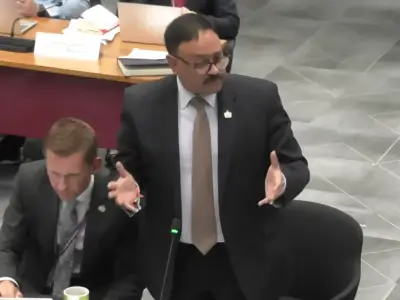
Multnomah County District Attorney Nathan Vasquez blames public defenders for refusing to take cases, while defenders accuse the DA of pursuing unnecessary prosecutions. The Oregon Public Defense Commission reports some improvement, with a 23% drop in unrepresented defendants since November 2024, but the crisis persists.
Uncertain Future
Despite reforms and increased funding, the system remains strained. Defendants like Michelle Roberts, who traveled four hours to court only to find her attorney's voicemail full, illustrate ongoing challenges. The Supreme Court's ruling has provided relief for some, but the risk of re-prosecution looms. As Jenkins put it, “All I could do was just wait for an attorney.”