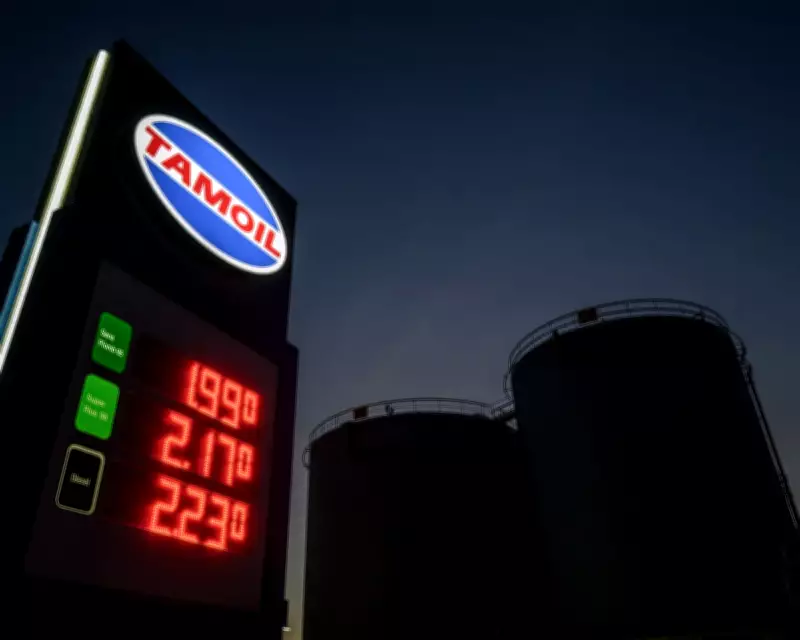
Motorists across Europe are feeling the pinch from higher petrol and diesel costs, but wider supply chains have so far held up. The biggest energy shock in modern history, jet fuel shortages within weeks, a global recession – since Iran throttled shipping flows through the Strait of Hormuz at the end of February, the economic warnings have become increasingly dire. Yet 10 weeks on from the first US-Israeli attacks, share indices, companies and governments have been surprisingly sanguine. Every day the divergence grows between the eerie quiet on markets and alarming warnings of an imminent supply chain crunch.
It is true that some countries have taken significant steps to mitigate soaring fossil fuel prices, with many in Asia that depend on Gulf oil urging citizens to conserve energy or resorting to outright rationing. In Europe, however, the response has been more muted: motorists face higher fuel costs, and central banks warn of interest rate hikes to curb inflation, but wider supply chains appear to be holding up. Investors have seized on positive news, with US shares buoyed by the AI boom even as the conflict raged. European markets have been less exuberant but have not crashed.
Stockpiles and Complacency
Stockpiles have cushioned economic impacts globally, but the chokehold on Hormuz remains. The longer the waterway stays closed, the more emergency stocks of oil and other commodities are depleted, with knock-on effects across the economy. Even if the channel reopens tomorrow, it could take months for supply chains to normalize. More companies are acknowledging the possibility that vital inputs will run out. Some executives and analysts fear the current disruption is just a foretaste of what is to come.

Just over a week into the war, US-listed carmaker Lucid Motors was confident its plans to make electric vehicles in Saudi Arabia would not be affected. Last week it warned that the conflict had disrupted the supply of critical materials and could lead to substantial price increases for raw materials or components. Lucid has it particularly bad due to its Saudi operations, but other carmakers are playing with fire by hoping the situation will resolve itself, said one senior industry executive, adding: There is a degree of complacency. How long it lasts is anyone's guess.
Others are more optimistic. Walter Mertl, finance chief at German carmaker BMW, said on Wednesday that the Iran war had only a limited impact. We think it is temporary and we will have a solution soon, he told investors.
Shock Absorbers and Hidden Risks
Companies may be better prepared than a decade ago due to lessons from the coronavirus pandemic, which saw global trade seize up temporarily before roaring back and causing years of disruption. Many businesses have since mapped different tiers of their supply chains. Yet the question of when shortages will hit is incredibly complicated, to the point that many large companies may still be unaware of their most exposed areas. A lot of companies do not have good enough supply chain visibility at the tier-three or tier-four level, and that could be breeding complacency, said one person involved in mapping dependencies on critical minerals for major manufacturers.
Eventually, stockpiles of materials, parts and fuel must run out. JP Morgan commodities analyst Natasha Kaneva warned last week that oil inventories have acted as a shock absorber for the global economy, but could reach operational stress levels across the OECD as soon as next month. Beyond oil and gas, experts warn of rising prices and supply constraints for fertiliser, aluminium, and several chemicals crucial to modern manufacturing. Materials supply problems could get really hot around the end of May if shortages force production stoppages, said the car industry executive. Nobody has pressed the panic button yet, but people are eking out wherever they can.

Inflation Inbound
Tim Figures, a trade expert at Boston Consulting Group, said European consumers are likely to face higher prices even if not hit by outright shortages. Any of these things are global commodities, and as supply diminishes, the price goes up. So while we are not seeing interruptions of supply in Europe in the same way as in Asia, we have seen price impacts because you have to pay more to secure scarce supply from elsewhere, he said. Figures said the hit to some commodities could long outlast the reopening of Hormuz. For chemicals, it will take months for things to return to normal, but that is largely about shipping. For metals like aluminium with infrastructure damage, it will take longer to get back to full capacity because that damage must be repaired.
Steve Elliott, chief executive of the Chemical Industries Association, said UK lobby group members are not yet reporting shortages, as Asian rivals have been hardest hit. But there is a slow burn of higher prices for solvents, caustic soda, ammonia, methanol and ethylene – chemicals used from treating metals to making plastic packaging. Ultimately, that only leads to inflation, said Elliott. If it persists, it leads to destruction of demand and recession for the sector.
Political Ramifications
Economists stress that the impact of higher prices and potential shortages will vary greatly across countries, depending on their reliance on oil and gas imports and pre-war economic strength. The impact will be inflationary across the global economy, but knock-on effects on growth will differ significantly, said Dhaval Joshi, chief strategist at BCA Research. At the moment, the US is doing OK, so it is hard to see a global recession. However, even in the US there are winners and losers: less well-off consumers are getting hurt, while shale producers are doing very well.
Given uncertainty about outcomes, communicating the scale of the looming crisis is a formidable challenge for politicians wary of spooking consumers into panic-buying. In the UK, the government has focused on blaming the Trump administration for starting the conflict without an exit strategy, rather than warning consumers of consequences. But chief secretary to the prime minister Darren Jones recently suggested price effects would continue for eight months, while Keir Starmer warned jet fuel shortages might force holidaymakers to change summer plans. Chancellor Rachel Reeves is expected to announce measures to shield some households from rising utility bills before winter, around the time the next quarterly cap on domestic energy bills is announced in late May to come into force in July.
Yet governments cannot prevent consumers from feeling the war's effects. Neil Shearing, chief economist at Capital Economics, said that in Europe, if the strait reopens soon, we are looking at a period of stagnation through this year, then a recovery. It will feel pretty grim but it will not be a recession, he added. However, if the conflict proves prolonged, Shearing warns, we are getting to the stage where things are starting to become non-linear – the point where factories cannot continue operating and shortages start.