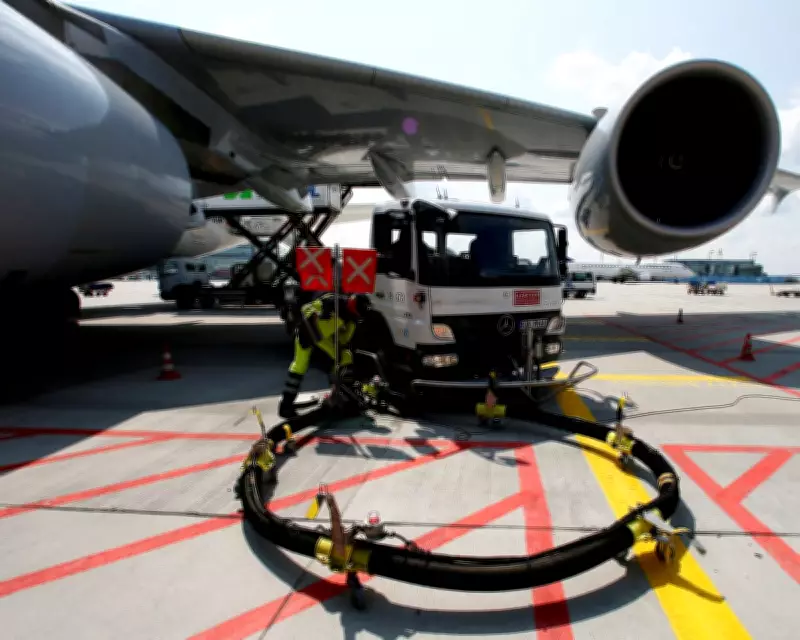
The European Union's transport commissioner has stated that airlines cancelling flights due to fuel shortages this summer must compensate passengers under European law. Apostolos Tzitzikostas told the Financial Times that rising jet fuel prices do not qualify as extraordinary circumstances that would exempt airlines from paying compensation.
EU Law on Compensation
"The price of jet fuel is the reason why we have cancellations of flights and if they cancel flights without extraordinary circumstances – jet fuel prices are not extraordinary circumstances – they will have to reimburse the people," Tzitzikostas said. Although EU law remains in place in the UK post-Brexit, the UK government is free to take a different position. Last week, it emerged that penalties for airlines cancelling UK flights due to fuel shortages have been eased.
Ryanair's Position
Ryanair, Europe's largest airline, said it will not cancel summer flights because it hedged fuel contracts before the Iran war. A Ryanair spokesperson said: "As Ryanair has hedged 80% of our jet fuel to March 2027 at $67 per barrel – less than half current spot prices – we do not plan any cuts to our schedule this summer."

Other Airlines Affected
Other airlines, including Germany's Lufthansa and Ireland's Aer Lingus, have cancelled flights. The boss of a large Asian airline, Tony Fernandes of AirAsia, said the fuel crisis is worse than the Covid pandemic. "I thought I'd seen it all with Covid … but having seen jet fuel go up almost three times – this is much worse," he said. "You wake up one day and your major cost has tripled – it was quite a new experience for me."
Fuel Price Spike
The cost of fuel spiked after 28 February, when the US and Israel launched their war on Iran. The effective closure of the Strait of Hormuz to shipping has choked off oil exports from the Middle East.
UK Government Response
A UK government spokesperson said: "UK airlines are clear that they are not currently seeing a shortage of jet fuel. Aviation fuel is typically bought in advance and airports and suppliers keep stocks of bunkered fuel to support their resilience. We continue to work with fuel suppliers, airports, airlines and international counterparts to keep flights operating." The Department for Transport is consulting on measures to help airlines plan realistic flight schedules to avoid last-minute disruption.
AirAsia's Future Plans
Despite the war, AirAsia is securing its long-term future. The airline sealed a $19bn deal to buy 150 Canadian-made Airbus A220-300 jets from 2028, with the possibility of doubling the order. The deal, announced at Airbus's facility in Mirabel, Montreal, represents the largest order in Canadian aircraft history and will provide work for Northern Ireland's Short Brothers plant in Belfast, which makes wings for the Airbus A220.