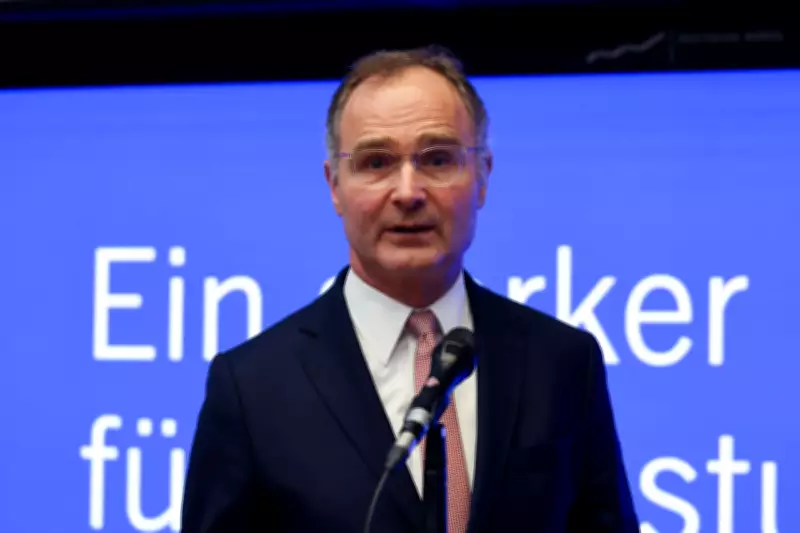
The chief executive of Deutsche Boerse has warned that the growth of dark trading in Europe has 'gone overboard' and called for regulators to step in to protect market transparency.
Dark Trading Concerns
Theodor Weimer, CEO of the German exchange operator, expressed his concerns over the increasing volume of trades conducted away from public exchanges. In an interview, he stated that the current level of dark trading is 'not healthy' for the markets and undermines the principles of price discovery and fairness.
Dark trading refers to the execution of large orders in private venues where details are not made public until after the trade is completed. While it can reduce market impact for large investors, critics argue it reduces overall market transparency.

Call for Regulatory Action
Weimer urged European regulators to take a closer look at the phenomenon and consider measures to bring more trading back onto lit exchanges. He emphasized that a balance must be struck between allowing legitimate uses of dark pools and maintaining a transparent market structure.
'We have seen a significant shift of volume into dark venues, and this trend needs to be addressed,' Weimer said. 'The MiFID II framework was designed to promote transparency, but the current situation suggests that some adjustments are necessary.'
Industry Reactions
The comments from Deutsche Boerse come amid a broader debate about the role of dark trading in European markets. Some market participants argue that dark pools provide essential liquidity for large trades, while others share Weimer's concerns about the erosion of transparency.
Data from the European Securities and Markets Authority (ESMA) shows that dark trading volumes have increased in recent years, particularly in equities. This has prompted discussions about whether the current regulatory framework is adequate.
Potential Solutions
Weimer suggested that regulators could consider introducing stricter caps on dark trading or requiring more pre-trade transparency. He also highlighted the importance of ensuring that all trading venues operate under similar rules to prevent regulatory arbitrage.
'We need a level playing field where lit and dark venues compete fairly,' he added. 'Otherwise, we risk creating a two-tier market that disadvantages retail investors and undermines confidence.'
The European Commission is currently reviewing the MiFID II rules, and Weimer's comments are likely to add to the pressure for reform. However, any changes would need to balance the interests of different market participants and avoid unintended consequences.