Anzac Day is not what it used to be. One hundred and eleven years after the Gallipoli landings, the question of its place in modern Australia grows ever more pressing. Paul Daley argues that the further we move from that fateful day in 1915, the more a hard historical perspective is warranted.
The Changing Nature of Anzac Day
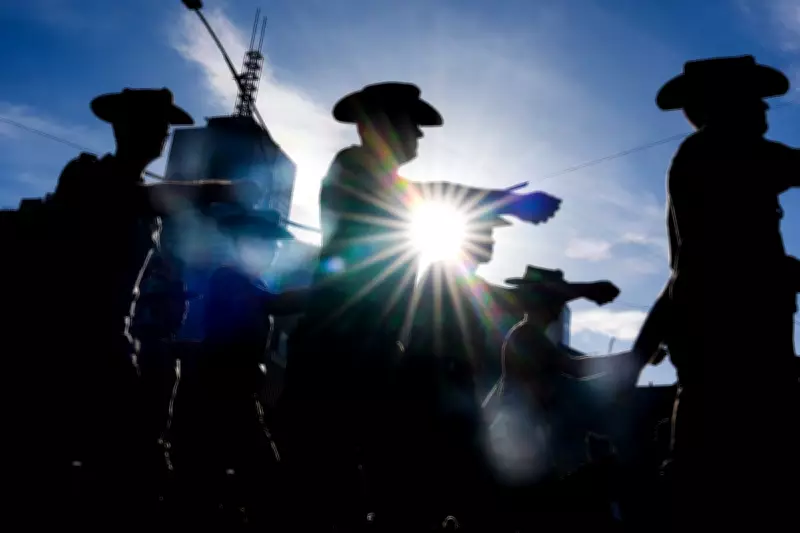
The pageantry and celebratory nature of today's Anzac marches stand in stark contrast to the sombre gatherings of decades past. In the years immediately following the first world war, veterans of the botched invasion and subsequent retreat from Gallipoli were still alive, and the memories of the dead haunted their comrades and families. Many survivors chose not to march, their recollections too painful and their opposition to future wars too fervent. Others marched quietly, then drank away their afternoons, returning to families who bore their pain, their medals hidden away in dusty cupboards.
The Loss of Living Memory
All Gallipoli veterans have now died, and soon they will pass from living memory entirely. Yet the events that enshrined them in Australian foundation lore continue to fire political and national imagination. In their extinction, they have been eulogised ever more, their deaths and experiences rendered with an ecclesiasticism and political reverence that obscures their human complexity. Imagination, especially collective imagination, is a potent national force. The Anzac myth has long thrived on it, deifying those involved and elevating a fledgling nation's military involvement to a nation-defining glorious defeat.

Australia's Changing Demographics and Secularism
The loss of so many young people in the Great War—416,000 men enlisted from a population of barely 5 million, with over 60,000 killed and 155,000 wounded—had a profound impact on the new nation's sense of self. It is worth remembering what happened and paying respect to those who served. But the further we get from Gallipoli, the more hard historical perspective is warranted, especially given how dramatically Australia has changed demographically, culturally, and in terms of religious faith over 111 years.
It is beyond time to acknowledge that insisting the Gallipoli campaign birthed the nation fallaciously denies much of continental history, including the world's oldest continuing civilisation and the frontier wars of Indigenous dispossession on which federation was built. As Gallipoli recedes into the past, it arguably becomes less relevant for a multi-racial and increasingly secular Australian society.
The Role of Christian Prayer
Yet again this 25 April, Christian prayer will define national commemorations led by political and military leaders at the Australian War Memorial, Australia's shrine to Anzac mythology. The Rationalist Society of Australia continues to lobby for a more secular approach, in line with evolving religious attitudes—Christian affiliation stood at 43.9% in 2021. But the memorial, glacial in reflecting community change, sticks with the status quo.
The Enduring Political and Cultural Potency
The historian Peter Cochrane articulated a compelling line about the Anzac myth: "Drape Anzac over an argument and, like a magic cloak, the argument becomes sacrosanct." This adage is exemplified by the war memorial's stubborn intransigence over representations of frontier wars and its defence of the war hero and alleged murderer Ben Roberts-Smith. It is beyond time to remove the cloak as Anzac becomes ever more socially anachronistic.