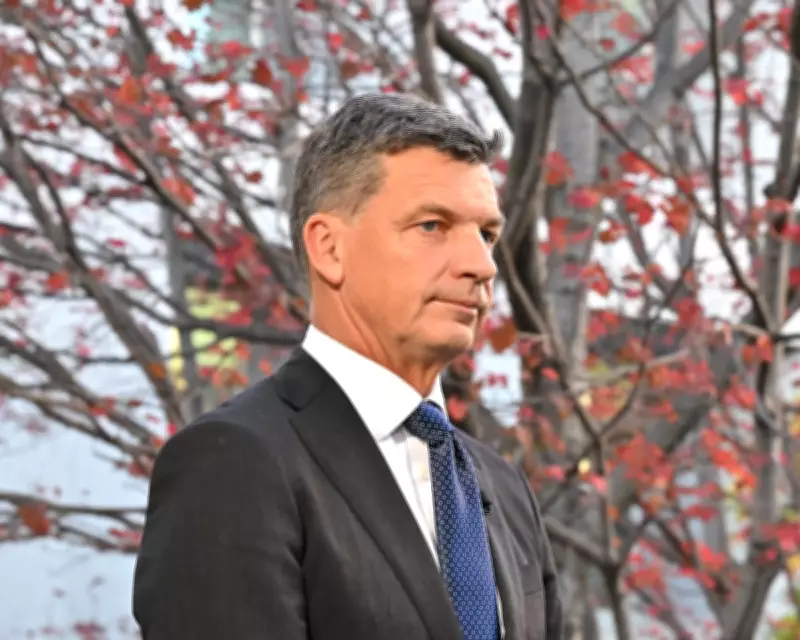
Opposition leader Angus Taylor unveiled a sweeping economic plan during his first budget reply speech, promising to index tax brackets to inflation and create a new fund to manage commodity windfalls. The centerpiece of the address was a commitment to tackle bracket creep by indexing the two lowest tax brackets from 2028-29, a move expected to cost $22.5 billion over four years.
Tax Indexation Details
Under Taylor's proposal, workers earning under $135,000 would see their tax brackets adjusted for inflation starting in 2028-29. The top two brackets would follow from 2031-32. Taylor claims this would save 85% of workers approximately $1,000 annually within four years. The policy mirrors a similar plan Taylor pushed before the last election, which was blocked by former opposition leader Peter Dutton.
Forensic budget analyst Chris Richardson estimated that full indexation could cost the budget around $12 billion per year, depending on implementation. Taylor defended the plan as "generational tax reform," stating it would "back Australians to work hard, take risks, and invest in their future."

Future Generations Fund
Taylor also announced a 'Future Generations Fund' that would bank 80% of budget windfalls from resource prices. The fund would be used to pay down debt and invest in infrastructure, with 25% of spending allocated to regional areas. This measure aims to insulate the budget from commodity price volatility.
Defence and Small Business
In a nod to international pressures, Taylor committed to increasing defence spending to at least 3% of GDP, aligning with demands from the Trump administration. For small businesses, he promised to permanently raise the instant asset write-off cap from $20,000 to $50,000.
The Coalition's proposals offer a clear alternative to Labor's recent budget, which included changes to negative gearing, capital gains tax, and trusts. Taylor confirmed the Coalition would repeal these measures if elected.
Immigration and Welfare
Taylor linked immigration to housing construction, proposing that temporary migrant intake be capped by the number of new homes built. He also announced that only Australian citizens would be eligible for welfare payments, including JobSeeker, the age pension, and the NDIS. This drew sharp criticism from the Refugee Council, which accused Taylor of scapegoating migrants.
One Nation leader Pauline Hanson claimed credit for the welfare policy, noting the Coalition had adopted ideas from her party. The Farrer byelection win last weekend bolstered her influence.
National Security
Taylor pledged to develop a new national security strategy and appoint a national security adviser to government. He acknowledged the Coalition needed to rebuild voter trust but expressed hope that his policies would inspire confidence.
The budget reply sets the stage for a contentious election, due by mid-2028, with both major parties offering starkly different tax and spending visions.