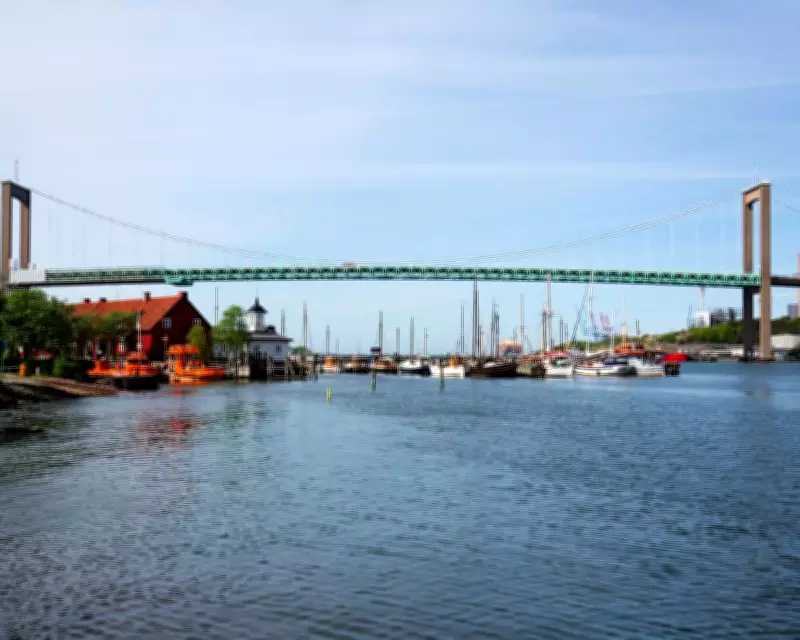
In 2020, Gothenburg implemented an algorithm to optimize school admissions, promising efficiency. However, the system failed hundreds of children, assigning them to schools across rivers and highways, with hour-long commutes. The algorithm calculated distances "as the crow flies," ignoring the Göta älv river, making walking routes impossible.
Systemic Failure and Appeals
City auditors confirmed the flawed instructions, but for 700 affected children, no changes were made. Officials told families to appeal individually, missing the systemic nature of the error. The algorithm's cascading effects displaced students like dominoes, with errors becoming nearly impossible to trace.
Legal Challenge
Researcher and mother Charlotta Kronblad sued the city, arguing the algorithm violated legislation. Without access to the code, she reconstructed placements from addresses and school choices. The court placed the burden of proof on her, dismissing the case. The city claimed the algorithm was just a "support tool" and provided no evidence.

Broader Implications
This case echoes the UK Post Office Horizon scandal and the Dutch childcare benefits scandal, where automated systems caused widespread harm due to lack of accountability. Algorithms fail, but courts lack tools to interrogate them. Citizens must prove system flaws without accessing code, perpetuating injustice.
Need for Reform
To prevent future scandals, the burden of proof must shift to algorithm deployers. Courts need procedural rules to open black boxes and provide systemic redress. Without adapting legal frameworks to digital realities, algorithmic injustice will persist.