
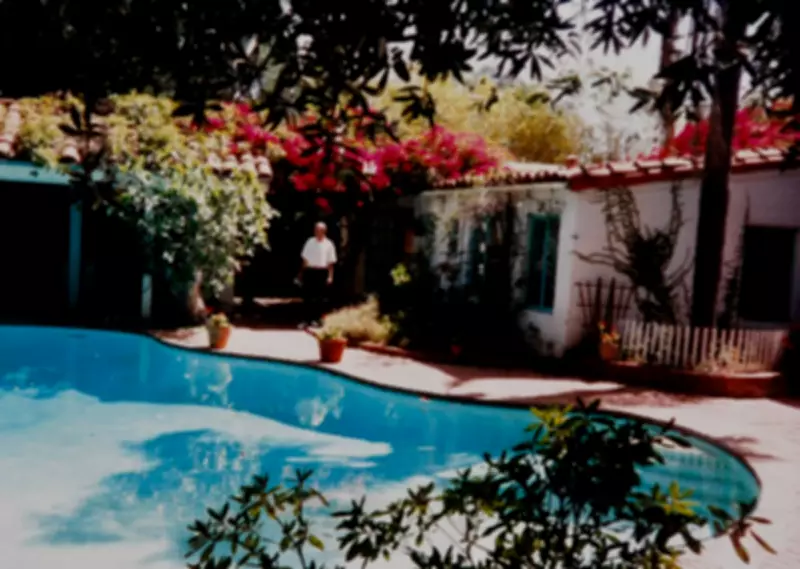
A legal saga over the fate of Marilyn Monroe's former home in Los Angeles has highlighted the tensions between property rights and historic preservation. The house, where Monroe died in 1962, has been unoccupied for seven years and is now at the center of a lawsuit after the current owners sought to demolish it but were blocked by a public campaign.
The House's History
Monroe purchased the Spanish bungalow in Brentwood in February 1962, during a tumultuous period in her life following the failure of her marriage to playwright Arthur Miller and health issues that led to a year-long hiatus from acting. At that time, it was rare for a single woman to own property, and preservationists view the house as a symbol of Monroe's independence from the studio system and the men who exploited her.
Although Monroe lived there only briefly and decorated sparsely with items from Mexico, the house holds significant cultural and historical importance. It is also central to conspiracy theories surrounding her death from a drug overdose in August 1962.
The Current Owners' Plans
Brinah Milstein, a real estate heiress, and her husband Roy Bank, a reality TV producer, purchased the property for $8.35 million in 2023 with the intention of demolishing the original house and incorporating the land into their adjacent estate. They obtained a demolition permit, but word spread, leading to a campaign to designate the house a cultural-historical monument. That designation was finalized in 2024, preventing demolition.
Milstein and Bank are now suing the city, arguing that the designation infringes on their constitutional property rights and has rendered their investment worthless. Their lawyer claims they have been forced to preserve a monument at their own expense for public enjoyment, despite having no obligation to open the house to visitors.
Legal Challenges
A federal judge recently dismissed the allegation that the city improperly took control of private property, though the owners may file an amended complaint. An attempt to overturn the preservation order in state court has not progressed. The situation is unusual because buyers typically know about historic status in advance, and homeowners usually have a functional property they can sell if they do not wish to comply with preservation requirements.
Dilemma of Preservation vs. Neglect
The house has not been maintained since 2019, and preservationists fear it is undergoing "demolition through neglect." The roof is partially untiled, heating and plumbing are non-functional, and there are leaks and possible mold. While the city has powers to enforce repairs, it has not visited since 2023. The owners claim Monroe's personal touches are long gone due to multiple renovations.
Public interest is also questioned, as the house is not visible from the street and there is no public access. Nearby residents have complained about tour buses and trespassers, raising safety concerns.
Possible Resolutions
No buyer or foundation has come forward to purchase and restore the property, which would cost millions. The city has no dedicated funding to acquire historic homes. Councilwoman Traci Park, who championed the preservation, acknowledges the dilemma but has no plan while litigation continues.
The owners' lawyer says selling is not an option and they do not want to be landlords. The city could enforce repairs, but any demands would likely be part of a settlement. The outcome remains uncertain, leaving Monroe's iconic home in limbo.




