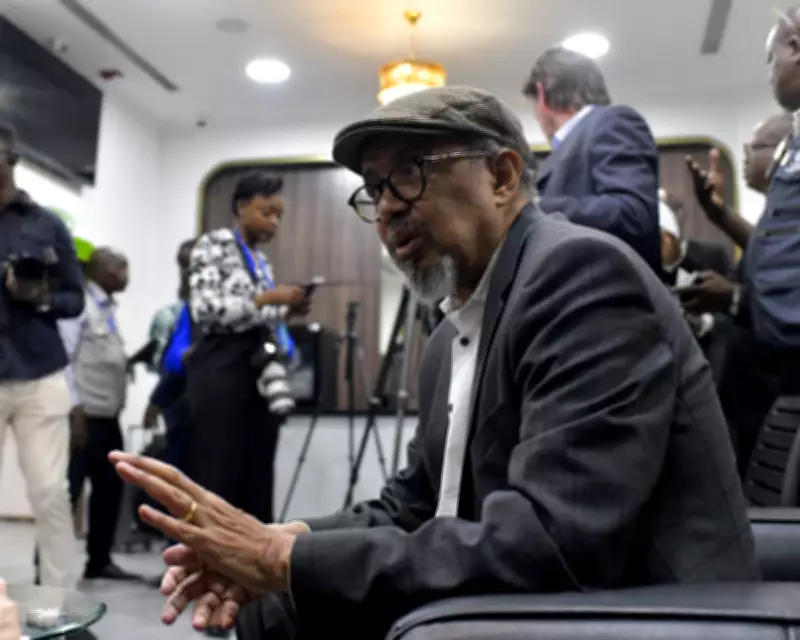
The World Health Organization (WHO) Director-General, Tedros Adhanom Ghebreyesus, has arrived in the Democratic Republic of the Congo (DRC) to assess the country's response to a new Ebola outbreak. The visit underscores the international community's commitment to containing the virus and preventing a larger epidemic.
Urgent Response to Ebola Outbreak
The DRC declared a new Ebola outbreak earlier this month after a cluster of cases was confirmed in the northeastern region. Health authorities have been working tirelessly to trace contacts, isolate patients, and deploy vaccines. Tedros's visit aims to evaluate these efforts and provide additional support where needed.
Collaboration with Local Authorities
During his trip, Tedros met with DRC President Felix Tshisekedi and other senior officials to discuss the outbreak's status. He emphasized the importance of a coordinated response involving local communities, international partners, and health workers on the ground. The WHO has already released emergency funds and deployed experts to assist with surveillance and treatment.

Challenges and Progress
The outbreak poses significant challenges due to the region's remote location, ongoing conflict, and limited healthcare infrastructure. However, early detection and rapid response have helped contain the spread so far. Vaccination campaigns have been initiated, targeting high-risk populations, including healthcare workers and contacts of confirmed cases.
Global Health Security
Tedros reiterated that Ebola remains a global health threat, and the WHO is committed to ensuring that the DRC receives the necessary resources to stop the outbreak. He called for continued vigilance and international solidarity to prevent the virus from crossing borders. The WHO chief's visit highlights the organization's dedication to strengthening health systems and responding to emergencies worldwide.
The DRC has experienced multiple Ebola outbreaks in the past, including a devastating epidemic from 2018 to 2020 that killed over 2,200 people. Lessons learned from previous outbreaks have informed the current response, with improved community engagement and faster deployment of medical countermeasures.
As the situation evolves, the WHO continues to monitor the outbreak closely and provide technical guidance to the DRC government. The international community remains on alert, ready to assist as needed to protect public health and prevent a larger crisis.