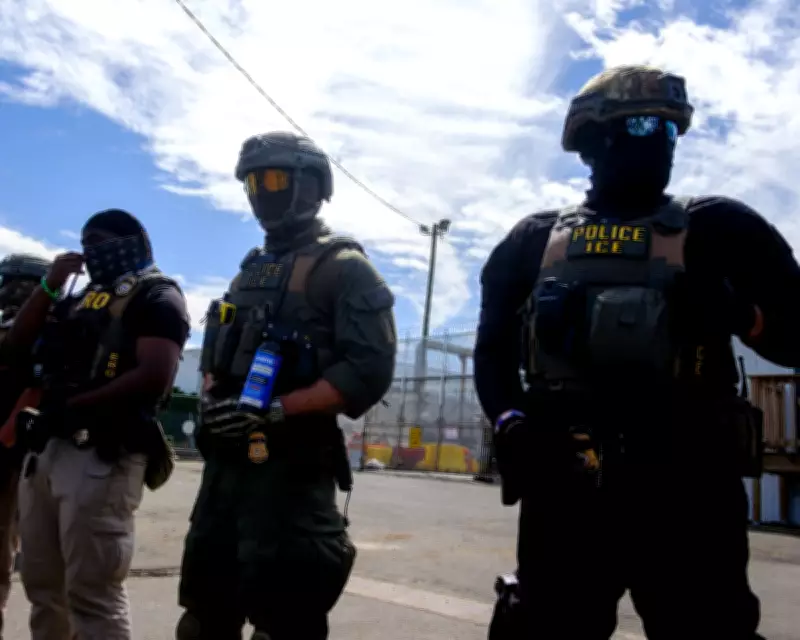
The United States has deported thousands of individuals to third countries under agreements that human rights lawyers say violate international law. James A Goldston and Natasha Arnpriester of the Open Society Justice Initiative argue that this practice must stop immediately.
The Case of José Yugar-Cruz
José Yugar-Cruz, a Bolivian asylum seeker, spent 17 months in an Iowa jail despite never committing a crime. He entered the US legally in July 2024 and requested asylum. A US immigration judge found he had been tortured in Bolivia and barred his removal, but ICE detained him for nearly a year while searching for a third country to send him to. After the US signed a removal agreement with the Democratic Republic of the Congo (DRC), ICE placed Yugar-Cruz on a charter flight to Kinshasa. Although a temporary stay kept him off that flight, a federal judge later ruled he could not block future deportation to the DRC, a country he has never visited. “I don’t know [it], I have no family there, I don’t speak their language,” he said.
Third-Country Deportations on the Rise
The US-DRC arrangement is the latest in a series of deals outsourcing America’s protection obligations. The Trump administration has deemed conflict zones like South Sudan and authoritarian states like El Salvador and Equatorial Guinea safe for deportations. The US is now in talks to send 1,100 Afghans who assisted the American war effort to the DRC. Secretary of State Marco Rubio touted “signed agreements” with other countries to deport people. Monitors estimate over 17,500 people have been sent to countries not their own, with the pace accelerating.

Human Rights Concerns
Deportees often arrive in chains and are held in substandard conditions. In the DRC, they are kept in a rundown hotel with intermittent water, rodents, and mosquitoes. International law prohibits sending people to places where they face persecution or torture, including indirect transfers via third countries. The US courts have responded unevenly, with some injunctions but the Supreme Court lifting them.
The Open Society Justice Initiative is supporting lawyers in receiving countries to challenge these transfers. Governments in Costa Rica, Panama, and Uganda have responded by releasing detainees or pledging not to send others to dangerous destinations. However, deportations continue to accelerate.
“Real refuge requires law, transparency, and safeguards. Anything less is complicity,” the lawyers wrote. They urge the US to end this practice and other governments to refuse to facilitate it.